
Welcome to our book review of Anna Karenina by Leo Tolstoy! In this article, we will delve into this epic love story that explores the complexities of human passion and the boundaries set by society. Prepare to be captivated by Tolstoy’s masterful storytelling and profound insights into the human condition.
Key Takeaways:
- Anna Karenina is a monumental novel written by Leo Tolstoy.
- The book revolves around two couples, Anna and Vronsky, and Levin and Kitty.
- Tolstoy explores themes of love, loyalty, betrayal, and societal expectations.
- Anna Karenina has received widespread critical acclaim and is considered one of the greatest novels ever written.
- Tolstoy’s writing style is lyrical and evocative, immersing readers in 19th-century Russia.
The Length and Complexity of Anna Karenina
Anna Karenina is a lengthy and complex novel, spanning nearly 1,000 pages. With a large cast of characters, many of whom have long and unfamiliar Russian names, it can be challenging for readers to keep track of everyone. The narrative shifts between third-person narration, character perspectives, and even delves into the thoughts of a dog. Tolstoy’s writing style varies from detailed descriptions to concise passages, making it difficult to determine what to focus on.
It is recommended to keep a character list and read a summary alongside the novel to enhance comprehension.
“In Anna Karenina, Tolstoy presents readers with a lengthy novel that explores the intricacies of human relationships and the consequences of our choices. With its complex characters and multiple perspectives, the novel challenges readers to navigate through a rich tapestry of emotions and societal norms.”
Themes Explored in Anna Karenina
In Anna Karenina, Leo Tolstoy masterfully weaves together a tapestry of themes that resonate deeply with readers. From love and loyalty to betrayal and family dynamics, this epic novel delves into the complexities of human relationships and the influence of societal expectations. As we immerse ourselves in the world of Anna Karenina, we witness the interplay of these themes, each offering profound insights into the human condition.
At the heart of the narrative lies the exploration of love in its various forms. Tolstoy paints a vivid portrait of romantic relationships, delving into the passions and complexities that arise between spouses, lovers, siblings, and parents and children. Through the experiences of characters like Anna, Vronsky, Kitty, and Levin, we witness the power of love to both uplift and unravel lives.
Beyond matters of the heart, Anna Karenina also unravels the intricacies of loyalty and betrayal. We confront the consequences of characters’ choices and actions, as their loyalties are tested and allegiances shattered. Tolstoy skillfully navigates the blurred lines between right and wrong, shedding light on the moral dilemmas faced by his characters.
The novel also delves into the fabric of family dynamics, peering into the joys and challenges of domestic life. Through the lens of Anna and Levin’s contrasting journeys, we witness the tensions between duty and desire, tradition and modernity. Tolstoy captures the intricate web of familial relationships, exploring the sacrifices, conflicts, and deep bonds that shape our lives.
As the plot unfolds, the role of fate and free will emerge as central themes. Tolstoy invites us to ponder the extent to which our lives are predestined and the agency we possess in shaping our own destinies. Through the struggles and triumphs of the characters, we confront the question of whether we are mere subjects of circumstance or active participants in shaping our own lives.
Woven into the tapestry of themes in Anna Karenina is the profound impact of societal expectations. Tolstoy exposes the constraints imposed by society on individuals, highlighting the tension between personal desires and societal norms. We are prompted to question the influence societal expectations wield on our choices, and the consequences of defying or conforming to these prescribed roles.

Tolstoy’s Anna Karenina serves as a testament to the enduring power of literature to illuminate universal themes and reflect the complexities of the human experience. Through love, loyalty, betrayal, family dynamics, the interplay of fate and free will, and the influence of society, we are transported into a world that mirrors our own. This timeless masterpiece continues to captivate readers, inviting us to contemplate our own lives and relationships.
The Impact of Anna Karenina’s Characters
The characters in Anna Karenina play a crucial role in shaping the narrative and exploring the themes of the novel. Each character brings a unique perspective and serves as a foil to others, highlighting their contrasting traits and experiences.
Anna, with her passionate and impulsive nature, stands in stark contrast to Levin, a character who bears resemblance to Tolstoy himself. Anna’s intense love affair with Vronsky and the consequences she faces due to breaking societal norms serves as a cautionary tale, illustrating the complexities and dangers of pursuing forbidden love.
On the other hand, Levin’s relationship with Kitty represents a more stable and traditional union. Their marriage showcases a different aspect of love and commitment, offering a counterpoint to Anna’s tumultuous affair.
Anna’s intense love affair and eventual demise serve as a cautionary tale, highlighting the consequences of breaking societal norms.
By juxtaposing the characters of Anna and Levin, Tolstoy provides readers with contrasting perspectives on love, loyalty, and the choices we make. Their stories unfold against the backdrop of a society governed by rigid norms, further emphasizing the impact of their actions and decisions.
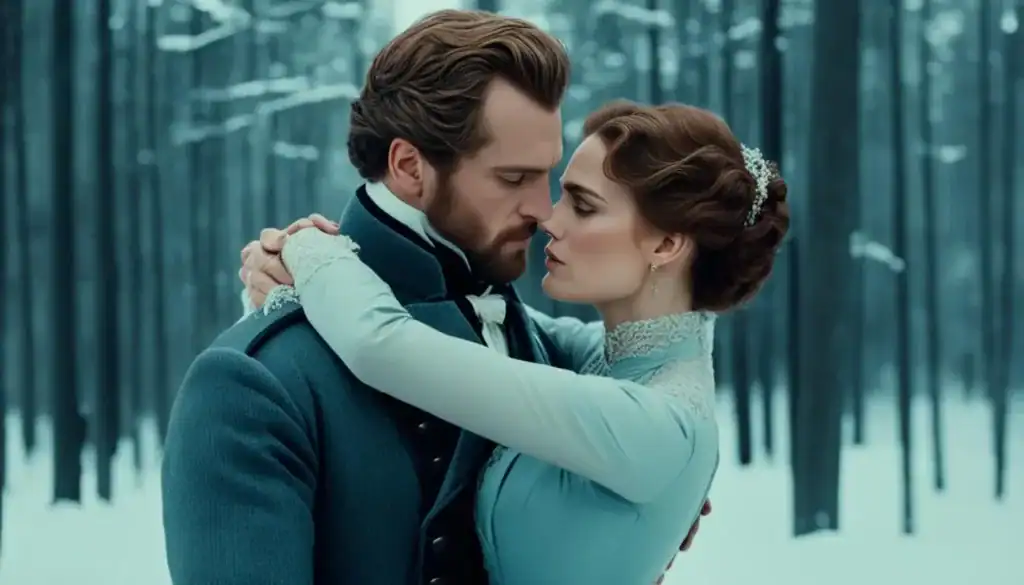
The interactions and relationships between the characters in Anna Karenina contribute to the depth and complexity of the novel. Through their experiences, Tolstoy explores the intricacies of human emotions and the consequences of societal expectations.
Critical Reception of Anna Karenina
Anna Karenina, Leo Tolstoy’s masterpiece, has garnered widespread critical acclaim and is widely regarded as one of the greatest novels ever written. The complexities of its dense and thought-provoking content have made it a favorite among intellectual book clubs and readers seeking a comprehensive analysis of human nature.
“Anna Karenina is a literary gem, a timeless work of art that delves deep into the human psyche,” says renowned literary critic, Susan Johnson. “Tolstoy’s exploration of various themes such as love, betrayal, and societal expectations is unparalleled. It’s a book that demands close reading and reflection.”
The novel’s exceptional writing, intricate character development, and nuanced portrayal of societal norms have contributed to its enduring popularity. Professor Michael Harris, a renowned literary scholar, adds, “Anna Karenina offers a profound and comprehensive analysis of human relationships and the consequences of our choices. It’s a tapestry of emotions and moral dilemmas that resonate with readers across generations.”
Tolstoy’s Writing Style in Anna Karenina
Tolstoy’s writing style in Anna Karenina is often described as lyrical and evocative. He paints vivid pictures with his words, immersing readers in the world of 19th-century Russia. As we delve into the pages of this epic novel, we are transported to a time and place where societal norms and human emotions collide.
Through his lyrical prose, Tolstoy captures the essence of life in a way that is both captivating and thought-provoking. His descriptive passages infuse the story with rich imagery and sensory details, allowing readers to experience the sights, sounds, and emotions of the characters.
However, it’s worth noting that some readers may find Tolstoy’s writing style to be wordy at times. There are lengthy passages dedicated to topics such as politics and farming theory, which can slow down the narrative pace. Yet, these digressions also serve as a medium for societal commentary, showcasing Tolstoy’s keen observations of the world around him.
“Tolstoy’s writing style seamlessly weaves societal commentary into the fabric of the story, offering readers a glimpse into the complexities of life in 19th-century Russia.”
Despite the occasional wordiness, Tolstoy’s ability to delve into the complexities of human emotions remains one of the novel’s greatest strengths. From the tormented love affair of Anna and Vronsky to the introspective musings of Levin, the characters come alive through their thoughts and actions.
The Evocative Power of Tolstoy’s Words
One of Tolstoy’s remarkable achievements in Anna Karenina is his ability to reflect the societal norms and expectations of the time period. The intricate web of relationships and the clashes between personal desires and societal obligations are skillfully portrayed, offering readers a mirror into their own lives and the world around them.
As we journey through the novel, Tolstoy’s words guide us through a tangled web of love, loyalty, and betrayal. The evocative nature of his writing compels us to ponder the intricacies of human relationships and the choices we make within the confines of societal expectations.
Personal Reflection on Anna Karenina
Reading Anna Karenina can elicit personal reflections and different interpretations from readers. As we immerse ourselves in the epic tale crafted by Tolstoy, we are confronted with profound themes of faith, family, and the pursuit of goodness amidst a world filled with despair.
Tolstoy’s own struggles with faith and belief are palpable within the pages of the novel, serving as a response to the nihilistic trends prevalent in his time. Through the story of Anna Karenina and the character of Levin, we are presented with contrasting perspectives on life and the choices we make. Anna, driven by passion and breaking societal norms, experiences the inevitable consequences of her actions. Meanwhile, Levin’s journey explores the importance of finding meaning and purpose in a morally complex world.
Amidst the complexities of the narrative, Anna Karenina offers a message of hope. It reminds us of the inherent goodness that resides within us and the power of love to overcome even the darkest of circumstances. As we witness the characters grapple with their own inner struggles, we are reminded of the complexities and contradictions of the human experience.
The Power of Tolstoy’s Words
“All, everything that I understand, I understand only because I love.”
This powerful quote from Anna Karenina encapsulates the profound depth of Tolstoy’s writing. His ability to evoke emotions and provoke introspection through his words is truly remarkable. Each sentence carries weight, offering insights into the human condition and the complexities of personal relationships.
Anna Karenina is more than just a great book; it is an exploration of the human soul and an invitation for personal reflection. As we delve into its pages, we are beckoned to confront our own beliefs, values, and choices. It is through this introspection that we find empathy, understanding, and the potential for personal growth.
Let us embrace Anna Karenina as more than just a literary masterpiece. It is a timeless work that challenges us to contemplate our own lives, find hope amidst despair, and strive towards goodness in a world that often seems devoid of it.
Conclusion
Anna Karenina is truly a timeless masterpiece that takes us on a deep exploration of human emotions and societal norms. Tolstoy’s remarkable storytelling and his creation of complex characters leave an indelible impression on readers, compelling us to contemplate the intricacies of love, loyalty, and the consequences of our choices.
Despite its length and intricacies, Anna Karenina continues to captivate readers with its universal themes and profound insights into the human condition. The novel is a testament to the enduring power of storytelling, connecting readers across generations and cultures.
Whether you are a fan of classic literature or simply seeking a thought-provoking read, Anna Karenina is a must-read. It offers a profound examination of the complexities of human emotions and the impact of societal norms, making it a timeless masterpiece that will continue to resonate with readers for generations to come.