
“The Gulf: The Making of an American Sea” by Jack E. Davis is a comprehensive history that explores the rich history and ecology of the Gulf of Mexico. This book delves into the impact of human activities on the Gulf, from Spanish incursions to the devastating Deepwater Horizon oil spill. With lively storytelling and thorough research, Davis presents the Gulf as an integral part of American culture and highlights the importance of sustainable practices for its future.
Key Takeaways:
- The Gulf of Mexico is a fascinating and diverse ecosystem with a complex history.
- Human activities, such as Spanish incursions and the Deepwater Horizon oil spill, have had a significant impact on the Gulf’s ecology.
- Jack E. Davis provides a comprehensive exploration of the Gulf’s history and emphasizes the need for sustainable practices to preserve its future.
- The Gulf of Mexico plays a vital role in American culture and should be recognized as such.
- Conservation efforts are crucial in protecting the Gulf’s fragile ecosystem and ensuring its preservation for future generations.
The Gulf of Mexico: A Historial Overview
The Gulf of Mexico is a remarkable body of water that holds a significant place in the history and geography of our planet. As the largest gulf and the 10th-largest body of water on earth, it has shaped the coastlines of multiple nations, harboring a rich tapestry of human and ecological stories.
The formation of the Gulf of Mexico began approximately 150 million years ago, during the breakup of the supercontinent Pangea. Over the course of centuries, its depth and breadth have undergone fluctuations, gradually assuming its current configuration.
Stretching across more than 3,000 miles of mainland coast, the Gulf of Mexico touches five American states and six Mexican states, fostering a diverse array of communities and cultures. Its commercial fishery, generating three-quarters of a billion dollars in landings revenue annually, is a testament to its abundant marine life and economic importance.
From its early geological history to its role as a vital commercial fishery, the Gulf of Mexico has shaped the lives and livelihoods of countless individuals for centuries. Understanding its history and ecology is crucial for preserving its delicate balance and ensuring the sustainability of this invaluable resource.
Human Encounters and Environmental Impact
The Gulf of Mexico has a long and complex history of human encounters and the resulting environmental impact. From the early Spanish incursions to European colonization, the Gulf and its native populations have endured significant challenges. Waves of disease brought by the explorers devastated the native communities, disrupting their way of life and leaving a lasting impact.
One of the key drivers of these encounters was the quest for resources. The Gulf offered an abundance of valuable resources, including oysters and oil, that attracted explorers and settlers. The demand for these resources led to the re-engineering of the Gulf, significantly altering its natural state.

“The history of the Gulf of Mexico is intertwined with the clash of cultures and the exploitation of resources. From the Spanish incursions to the present, the quest for wealth and power has had profound consequences on both the native populations and the environment.”
The cultural clashes between the European settlers and the native populations were inevitable, resulting in conflicts and displacement. The Gulf became a battleground for control over the land and its resources, further exacerbating the impact on the natives.
Moreover, the exploitation of the Gulf’s resources has had severe ecological consequences. The re-engineering of the Gulf for resource extraction has disrupted its delicate balance, leading to habitat destruction, pollution, and the loss of biodiversity. The long-term implications of these activities on the Gulf’s ecosystems are still being felt today.
The lasting impact:
The Spanish incursions, European colonization, and the quest for resources have left an indelible mark on the Gulf of Mexico and its native populations. The cultural and environmental damage incurred over the centuries requires a thoughtful understanding of the past to inform our actions in the present and future.
Understanding the historical context and the consequences of these encounters is vital in shaping sustainable practices and policies. By acknowledging and learning from the mistakes of the past, we can work towards a more harmonious relationship with the Gulf and ensure the preservation of its resources for generations to come.
The Gulf’s Role in American Growth
The history of the Gulf of Mexico closely mirrors that of the American West. Just like the American West, the Gulf experienced Spanish incursions, mutual incomprehension between Europeans and indigenous peoples, and a relentless quest for raw materials. These two regions share a common narrative of exploitation and industrialization.
As European settlers sought to expand their presence in the Americas, the Gulf of Mexico became a prime target for resource extraction. The pursuit of raw materials was driven by the desire for wealth and economic growth. The oil industry, in particular, played a significant role in the growth and development of both the Gulf and the American West.
Similar to how the American West was re-engineered to overcome water scarcity, the Gulf of Mexico underwent extensive engineering to tap into its abundant oil reserves. The discovery of oil transformed the Gulf’s economy and had a profound impact on the region’s development. The engineering feats carried out in the Gulf allowed for the extraction and transportation of oil on a massive scale.
One cannot ignore the interconnectedness and shared histories of these two regions. The American West and the Gulf of Mexico embody the spirit of exploration, conquest, and the pursuit of riches. They serve as reminders of the risks and rewards that come with the relentless quest for resources. Despite the mutual incomprehension and conflicts that emerged, the shared histories of the American West and the Gulf illustrate the human capacity for ingenuity and enterprise in the face of challenges.
“The history of the Gulf of Mexico is intertwined with the story of the American West. Both regions faced similar struggles and triumphs, embodying the American spirit of exploration, ingenuity, and growth. The Gulf’s role in American growth cannot be underestimated.”
Environmental Challenges and Conservation Efforts
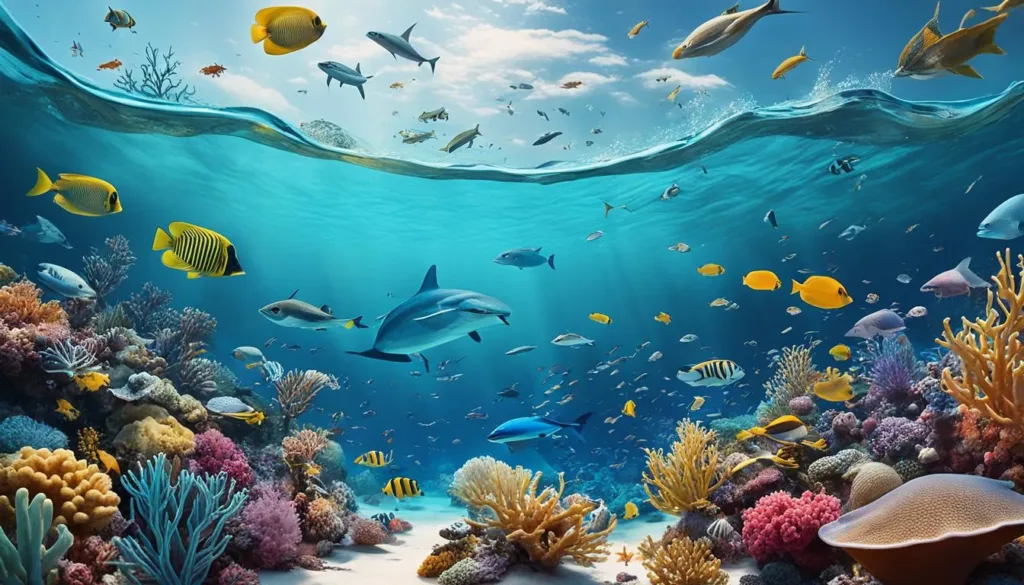
The Gulf of Mexico faces a range of environmental challenges that threaten its delicate ecosystem. Oil spills, overfishing, and poor environmental practices have taken a toll on the Gulf’s natural resources, resulting in the decline of coastal marshes and increased erosion along its shores. These challenges not only endanger the diverse marine life that calls the Gulf home but also have far-reaching consequences for coastal communities and the overall health of this vital body of water.
The decline of coastal marshes, a result of poor environmental practices and erosion, puts the Gulf’s coastlines at greater risk from hurricanes and natural disasters. These marshes serve as a natural buffer, absorbing the impact of storms and protecting inland areas from flooding. Without them, the vulnerability of coastal communities increases, placing lives and livelihoods in jeopardy.
Despite these challenges, there is hope. Conservation efforts are underway to preserve and restore the Gulf of Mexico’s fragile ecosystem. Organizations and individuals are coming together to address the issues of oil spills, overfishing, and poor environmental practices through education, advocacy, and restoration projects. These initiatives aim to protect the diverse marine life, promote sustainable fishing practices, and mitigate the damage caused by erosion and the decline of coastal marshes.
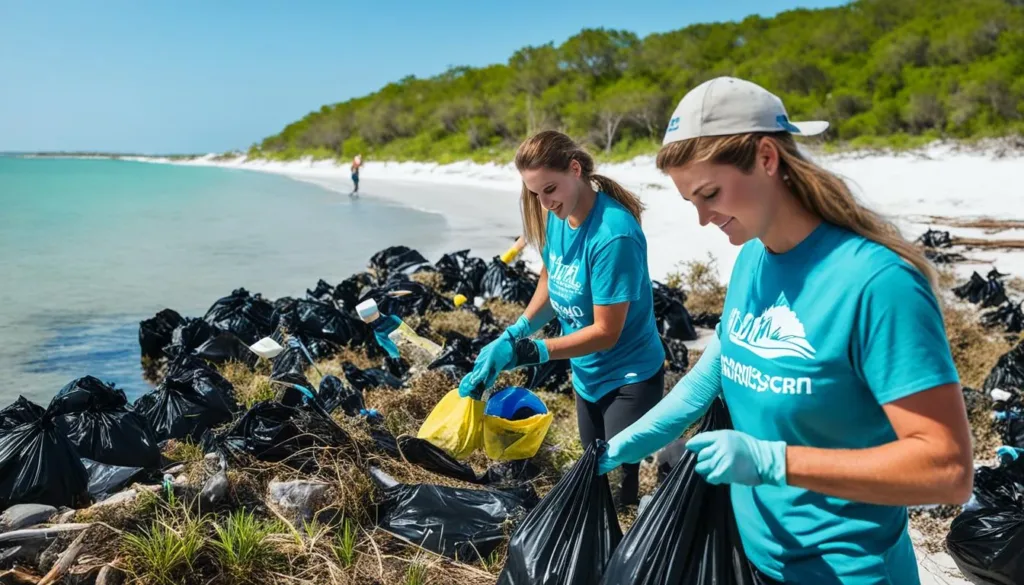
Conservationists are working to raise awareness about the importance of sustainable practices and the need to protect the Gulf’s natural resources for future generations. By highlighting the interconnectedness of human activity and the health of the Gulf, these efforts seek to inspire change and encourage individuals, businesses, and governments to prioritize environmental stewardship.
It is crucial that we recognize the significance of the Gulf of Mexico and take responsibility for its preservation. Through collective action, we can make a difference in reversing the decline of coastal marshes, reducing erosion, and ensuring the continued vitality of this remarkable ecosystem. By supporting conservation efforts and adopting sustainable practices, we can safeguard the Gulf for ourselves and for the generations to come.
Impact of Hurricanes and the Deepwater Horizon Oil Spill
The Gulf of Mexico is no stranger to the destructive power of hurricanes. These natural disasters have had a profound impact on the Gulf Coast, causing widespread destruction and loss of life. Two of the most notable hurricanes in the region’s history are Hurricanes Camille and Katrina.
Hurricane Camille, which struck in 1969, was one of the strongest hurricanes ever to make landfall in the United States. Its devastating impact was felt along the Gulf Coast, particularly in Mississippi, where the storm surge caused widespread flooding and destruction.
Hurricane Camille left a lasting mark on the Gulf Coast, forever changing the lives of those who survived its wrath. The destruction and devastation were unimaginable, and it serves as a reminder of the power and unpredictability of these natural disasters.
Another hurricane that made history in the Gulf of Mexico is Hurricane Katrina, which struck in 2005. Katrina was one of the most destructive hurricanes in U.S. history, causing catastrophic damage along the Gulf Coast, particularly in Louisiana.
Hurricane Katrina was a wake-up call for the Gulf Coast. The storm exposed the vulnerabilities of our coastal communities and the need for better disaster preparedness and response. It was a tragic event that spurred a renewed focus on improving infrastructure and implementing measures to mitigate the impact of future hurricanes.
In addition to hurricanes, the Gulf of Mexico experienced another devastating event in 2010—the Deepwater Horizon oil spill. This environmental disaster, resulting from an explosion on an offshore drilling rig, released millions of barrels of oil into the Gulf, causing significant damage to the region’s ecosystems.
The Deepwater Horizon oil spill was a man-made ecological catastrophe that had far-reaching consequences. The oil slick spread across the Gulf, affecting coastal wildlife, fisheries, and the livelihoods of countless people who rely on the Gulf’s resources. It served as a stark reminder of the risks and environmental costs associated with offshore oil drilling.
These events—the hurricanes and the Deepwater Horizon oil spill—have left lasting impacts on the Gulf Coast and the Gulf of Mexico as a whole. They serve as reminders of the fragility of the region’s ecosystems and the need for sustainable practices to protect this vital and unique ecosystem.
Next Steps: Rebuilding and Restoration
In the wake of these devastating events, efforts have been made to rebuild and restore the Gulf Coast. Communities have come together to recover from the destruction caused by hurricanes and to rehabilitate the Gulf’s ecosystems in the aftermath of the oil spill.
Government agencies, non-profit organizations, and local communities have collaborated to implement initiatives aimed at coastal restoration, wildlife conservation, and sustainable fishing practices. These efforts are crucial for preserving the Gulf of Mexico’s biodiversity and ensuring the long-term sustainability of the region.
The road to recovery is a challenging one, but we must remain committed to protecting and restoring the Gulf of Mexico. By learning from the past and implementing sustainable practices, we can safeguard this valuable ecosystem for future generations.
Conclusion
“The Gulf: The Making of an American Sea” by Jack E. Davis is a captivating exploration of the Gulf of Mexico’s history, ecology, and the challenges it faces. Through Davis’s meticulous research and storytelling, we come to understand the profound impact that the Gulf has had on American ecology and culture.
As Davis highlights, it is crucial to recognize the Gulf of Mexico as an integral part of our nation’s heritage. The Gulf’s bountiful resources and diverse ecosystems have shaped the lives of countless communities along its shores. To ensure the preservation of this vital region for future generations, we must embrace sustainable practices and prioritize conservation efforts.
By adopting sustainable practices, we can mitigate the environmental challenges that the Gulf faces, such as oil spills, overfishing, and erosion. We must strive to protect the Gulf’s delicate coastal marshes, which not only serve as habitats for numerous species but also act as a natural defense against hurricanes.
Ultimately, “The Gulf: The Making of an American Sea” serves as a powerful reminder of the interconnectedness between humans and the environment. We have the responsibility to cherish and protect the Gulf of Mexico, ensuring that it remains a thriving ecosystem and a cherished part of our American heritage.