
Welcome to our book review of “The Orphan Master’s Son” by Adam Johnson. In this captivating North Korean odyssey, Johnson takes us on a journey through the depths of a repressive regime, where identities are subservient to the state and propaganda reigns supreme.
Johnson’s Pulitzer-winning novel delves into the themes of government propaganda, the power of storytelling, and the struggle for identity. Through meticulous research and a touch of satirical humor, he brings to life the harsh realities faced by the people of North Korea.
Join us as we explore the fascinating world of “The Orphan Master’s Son” and uncover the poignant tale woven by Adam Johnson.
Key Takeaways:
- Adam Johnson’s “The Orphan Master’s Son” is a captivating North Korean odyssey.
- The novel delves into themes of government propaganda, the power of storytelling, and the struggle for identity.
- Johnson’s meticulous research and satirical humor bring the realities of life in North Korea to light.
- Through the eyes of the characters, we witness the profound resilience of the human spirit in the face of oppression.
- “The Orphan Master’s Son” offers a deeper understanding of the complexities of North Korean society.
A Fascinating World of Fiction and Reality
In “The Orphan Master’s Son,” Adam Johnson takes us on a journey into a captivating and thought-provoking realm, where fiction and reality intertwine in a way that seems almost Orwellian. Throughout the novel, Johnson explores the pervasive influence of state-sponsored storytelling and the government’s propaganda machine, which constructs a narrative that shapes every aspect of life in North Korea.
In this Orwellian world, the government’s myths about the country reign supreme, relentlessly promoted through propaganda. These myths create an overarching narrative that dictates the roles and identities of its citizens. Jun Do, the title character, discovers firsthand that one’s true identity is subordinate to the roles expected by the state. Any doubt cast on the greatness of the government can lead to severe consequences.
“I learnt that when you save someone from drowning, they will always try to drag you down with them.”
Through vivid storytelling, Johnson reveals the intricate web of lies and half-truths that comprise the fabric of North Korean society. He sheds light on the government’s manipulation of its citizens’ lives and their collective belief in the myths that sustain the regime. The novel serves as a stark reminder of the power of government propaganda and the dangers of an overarching narrative that suppresses individuality and critical thinking.
Amidst this backdrop of state-sponsored storytelling, “The Orphan Master’s Son” delves into the individual struggles and triumphs of its characters. Johnson’s masterful depiction takes us on a rollercoaster ride through the lives of everyday people who navigate a world where truth and fiction are inseparable. It is through their eyes that we witness the devastating effects of oppressive systems and the extraordinary resilience of the human spirit.
Unveiling the truth beneath the myths
To further immerse readers in the world of North Korea, Johnson intricately weaves in details that provide an accurate depiction of life in the hermit kingdom. From orphanages to fishing boats and the kitchens of high-ranking commanders, he paints a vivid picture of a country shrouded in secrecy and isolation.

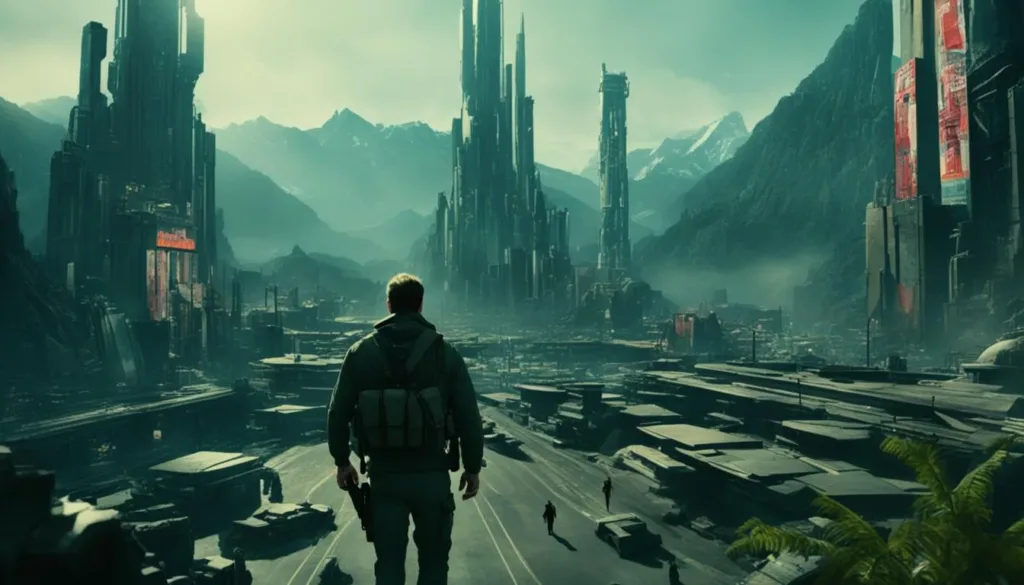
This image resonates with the theme of state-sponsored storytelling that permeates “The Orphan Master’s Son.” It serves as a visual representation of the power wielded by the government in shaping and controlling the narrative. Just as the government manipulates its citizens with carefully crafted stories, the image captures the influence of storytelling on the lives of those living under its regime.
Through Johnson’s meticulous research and skillful storytelling, “The Orphan Master’s Son” offers readers a glimpse into a world rarely seen. As we journey through the pages of this remarkable novel, we come face to face with the complexities of North Korean society and the enduring struggle for truth and individuality within an oppressive regime.
Johnson’s Masterful Depiction
Adam Johnson’s “The Orphan Master’s Son” stands as a testament to his meticulous research and creative storytelling. To bring the harsh realities of life in North Korea to life, Johnson delved deep into his subject matter, immersing himself in firsthand testimony from defectors. But that wasn’t enough. He traveled to the country himself, seeking to understand the intricacies of a nation shrouded in mystery. Armed with a keen sense of the absurd, Johnson crafted an operatic tale that blends fact and fiction, delivering a satiric and melancholy exploration of a North Korean odyssey.
“The Orphan Master’s Son” transports readers to a world where truth and lies intertwine, bringing to light the contradictions and complexities of life under an oppressive regime. Through his masterful storytelling, Johnson reveals the resilience of the human spirit and the power of individual agency even in the face of relentless propaganda and the pervasive reach of the state.
Johnson’s ability to seamlessly blend his research with the adrenaline-laced language of a thrilling narrative makes “The Orphan Master’s Son” an unforgettable reading experience. As readers delve into this literary masterpiece, they will find themselves captivated by the operatic journey of its protagonist, Jun Do, as he navigates a world filled with danger, intrigue, and the constant struggle for identity.
The Journey of Jun Do
The novel follows the captivating journey of Jun Do, a North Korean everyman whose life is shaped by the violent dictates of the state. From his humble beginnings in an orphanage, Jun Do embarks on a series of misadventures that will test his resilience and shape his destiny.
Under the watchful eye of the government, Jun Do undergoes rigorous training as a soldier, honing his skills and preparing him for the dangerous missions that lie ahead. But his path takes an unexpected turn when he is assigned the role of a kidnapper, plunging him deeper into the treacherous world of espionage and betrayal.
As Jun Do navigates the tenuous line between loyalty to his country and his own moral compass, his journey unfolds against the backdrop of a repressive regime. The odds are stacked against him, but Jun Do’s fate hangs in the balance as he strives to find his place in a world where survival is paramount.
“Jun Do’s journey is a testament to the indomitable spirit of the North Korean people, caught between oppression and the yearning for freedom. His transformation from an ordinary citizen to a reluctant hero is both gripping and thought-provoking.” – Our Reviewer
This tale of an ordinary man thrust into extraordinary circumstances resonates with readers as they witness Jun Do’s struggle to maintain his humanity in the face of adversity. His story is a testament to the power of the human spirit and its ability to rise above adversity, reminding us that even in the darkest of times, hope and resilience can prevail.
Join us in the next section as we unveil the world of North Korea through the eyes of Adam Johnson and explore the intricacies of this hermit kingdom.
Unveiling the World of North Korea
Despite only making one trip to North Korea, Adam Johnson manages to capture the atmosphere and details of the country better than most writers. His novel provides insights into the hermit kingdom, including its orphanages, fishing boats, and the kitchens of high-ranking commanders. Johnson’s portrayal of North Korea is both authentic and empathetic, shedding light on the realities faced by its citizens.
From Oppression to Humanity
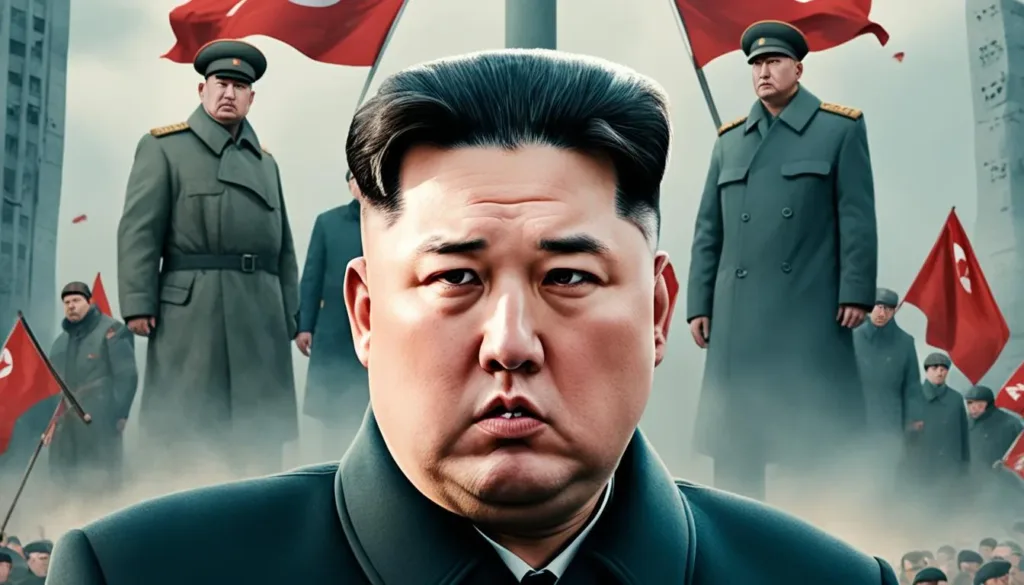
Throughout the novel, Johnson juxtaposes the vicious atrocities of the North Korean regime with moments of tenderness, beauty, love, and hope. The characters in The Orphan Master’s Son live in a constant state of fear, aware that any misstep could result in imprisonment or worse. Yet, despite these grave circumstances, they manage to hold on to their humanity, refusing to be completely consumed by the darkness that surrounds them.
The juxtaposition of the unimaginable horrors of everyday life with glimpses of tenderness and beauty makes the story all the more poignant. It highlights the depth of the human spirit and its ability to find solace and hope even in the most oppressive situations. In the face of constant fear, the characters demonstrate resilience, compassion, and an unwavering belief in the power of love.
One particularly striking example is the tender relationship between Jun Do, the protagonist, and Sun Moon, a famous actress. Their forbidden love brings a sense of warmth and vulnerability to an otherwise bleak narrative. Their connection serves as a reminder that even in the darkest corners of the world, love can flourish, offering a glimmer of hope and a reminder of our shared humanity.
“In a world of constant fear and imprisonment, the tenderness of beauty and hope becomes all the more precious.”
The juxtaposition of these opposing elements creates a powerful emotional impact on the reader. It forces us to confront the reality of life in North Korea while also reminding us of the resilience and strength of the human spirit. In the darkest of times, it is the presence of beauty, tenderness, and hope that gives us the strength to carry on.
Conclusion
Adam Johnson’s “The Orphan Master’s Son” is a remarkable book that takes readers on a captivating North Korean odyssey. With meticulous research and skillful storytelling, Johnson delves into the complexities of life in a repressive regime, offering a thought-provoking exploration of the struggles and triumphs experienced by his characters.
Through vivid prose and compelling narratives, Johnson brings the harsh realities of North Korea to life, shedding light on the oppressive nature of the government and the resilience of its citizens. His Pulitzer-winning novel delves into the depths of identity, propaganda, and the power of storytelling, leaving readers with a deeper understanding of the complexities of North Korean society.
From the misadventures of Jun Do, the tenuous hero, to the atmospheric portrayal of the hermit kingdom, “The Orphan Master’s Son” captures the reader’s attention from beginning to end. Johnson’s ability to juxtapose the brutality and fear of the regime with moments of tenderness, beauty, and hope makes this book an engrossing and emotionally impactful read.
Adam Johnson has not only crafted a powerful tale of survival and resilience but has also painted a vivid and accurate depiction of North Korea. “The Orphan Master’s Son” is a must-read for anyone seeking a compelling story and a deeper understanding of a society shrouded in mystery.