
Greetings, fellow readers! Today, we’re excited to delve into the thought-provoking pages of Eliza Griswold’s “Amity and Prosperity: One Family and the Fracturing of America.” This captivating book presents a poignant exploration of the environmental and health impacts of fracking, focusing on the experiences of one resilient family in Amity, Pennsylvania.
Through vivid storytelling and meticulous reporting, Griswold brings to light the devastating consequences faced by Stacey Haney and her family as they navigate life in close proximity to fracking operations. Their struggles and determination form the heart of this compelling narrative, ultimately shedding light on larger issues of justice and accountability.
Join us as we journey through the pages of “Amity and Prosperity” and uncover the profound implications of fracking on communities in this riveting book review.
Key Takeaways:
- Francking operations in southwestern Pennsylvania have had severe environmental and health impacts on local communities.
- Stacey Haney’s fight for justice against Range Resources highlights the challenges faced by individuals seeking accountability.
- The influence of corporations and government failures play a significant role in perpetuating the negative consequences of fracking.
- The economic and social impact of fracking has resulted in divided communities and deteriorating conditions.
- The book underscores the urgent need for stronger regulations and environmental justice in protecting affected communities.
The Impact of Fracking in Southwestern Pennsylvania
Griswold’s book sheds light on the impact of fracking in Southwestern Pennsylvania, specifically in Washington County. Through her reporting, she reveals the high number of structurally deficient bridges in the area and the personal costs experienced by residents due to fracking. The story highlights the negative environmental and health effects of fracking and the struggles faced by communities in the region.
Fracking, also known as hydraulic fracturing, is a controversial method of extracting natural gas from deep underground. While it has opened up new sources of energy and economic opportunities, it has also raised serious concerns about its environmental impact and the potential risks it poses to human health.
“Fracking has had a profound impact on the communities in Southwestern Pennsylvania. The rapid growth of the industry has resulted in significant disruptions to the environment and has taken a toll on the health and well-being of residents in the region.”
Many residents in Southwestern Pennsylvania have experienced firsthand the consequences of living near fracking sites. The noise, air pollution, and heavy truck traffic associated with fracking operations have caused numerous disturbances and disruptions in these communities. Additionally, the extraction process requires vast amounts of water, which can lead to the depletion of local water supplies and potential contamination of groundwater sources.
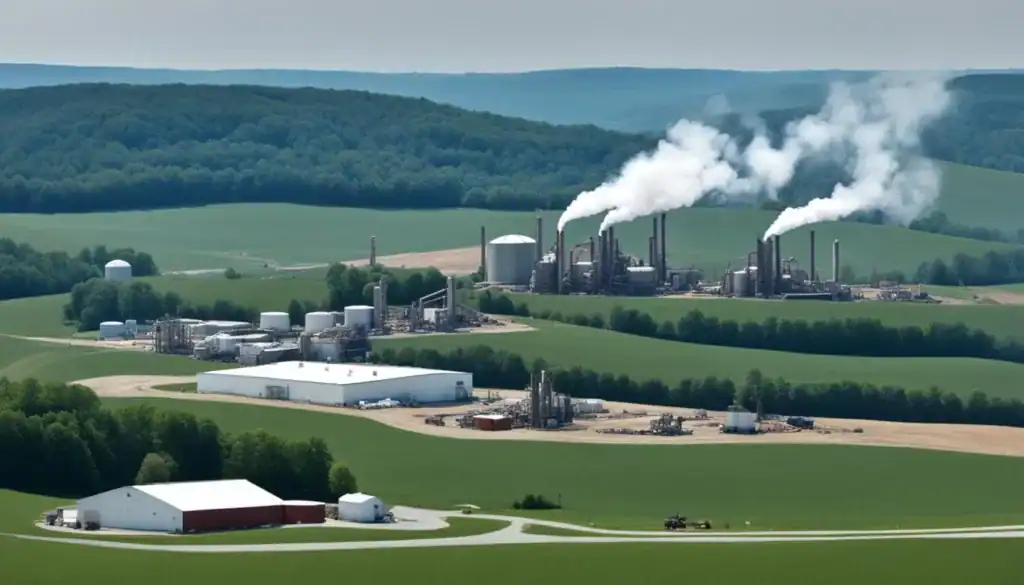
The environmental impact of fracking extends beyond immediate disruptions. Griswold’s book highlights the long-term consequences, such as increased greenhouse gas emissions and the potential for seismic activity. Fracking also contributes to the degradation of ecosystems and poses a threat to biodiversity.
Furthermore, the health effects of fracking on residents in Southwestern Pennsylvania are deeply concerning. Studies have linked exposure to fracking-related pollutants with respiratory problems, skin disorders, and even certain types of cancer. The book shines a light on the struggles faced by families like Stacey Haney’s, who have suffered from health issues believed to be caused by fracking operations near their homes.
It is crucial to recognize and address the environmental and health impacts of fracking, not only in Southwestern Pennsylvania but also in other regions where this controversial practice takes place. By understanding the realities faced by communities like those in Washington County, we can advocate for better regulation, increased transparency, and a transition towards cleaner and more sustainable energy sources.
Stacey Haney’s Fight for Justice
In Eliza Griswold’s book, “Amity and Prosperity: One Family and the Fracturing of America,” we are introduced to Stacey Haney, a nurse and single mother who becomes the central figure in the fight for justice against Range Resources, the energy company responsible for fracking near her home.
Haney’s family endures the devastating consequences of living in close proximity to fracking operations. They experience severe health issues, including arsenic poisoning, while their animals suffer from birth defects and death. Frustrated by the lack of support from governmental agencies, such as the Department of Environmental Protection, Haney undertakes a courageous journey to seek legal assistance and hold Range Resources accountable for their actions.
Driven by her unwavering determination, Haney’s fight for justice embodies the struggle of numerous communities grappling with the detrimental effects of fracking. Through her story, we witness the resilience and courage of individuals who refuse to remain silent in the face of corporate negligence and the pervasive influence of powerful industries.
“I knew I had to stand up, not just for myself and my family, but for everyone in our community who has been affected by fracking. We deserved better, and we were going to fight for justice,” Haney boldly proclaims.

The Legal Battle and Corporations’ Influence
In the second half of Eliza Griswold’s book, “Amity and Prosperity: One Family and the Fracturing of America,” we delve into the intense legal battle fought by Stacey Haney and her neighbors against Range Resources, the energy company responsible for fracking in their community. Represented by attorneys John and Kendra Smith, the residents face numerous challenges in their pursuit of justice.
Griswold shines a light on the evidence tampering conducted by Range Resources and exposes the questionable relationship between the company and regulatory agencies. This raises important questions about the influence corporations wield over government entities, further complicating the fight for justice.
Stacey Haney and her fellow residents exemplify the difficulties individuals face when going up against powerful corporations. Their struggle highlights the need for stronger regulations and greater accountability to ensure that communities are not left vulnerable to corporations’ influence.
“It’s disheartening to witness the power and influence of corporations overshadowing the plight of ordinary people seeking justice,” said attorney John Smith. “Our legal battle is not just about Stacey and her neighbors; it’s about holding corporations accountable and protecting communities from the harmful effects of their actions.”
The Economic and Social Impact of Fracking
Griswold’s book delves into the economic and social impact of fracking on the communities in southwestern Pennsylvania. As she explores the hopes and dreams of farmers who believed that gas royalties would bring financial security and revitalization to their struggling towns, the book uncovers the tragic consequences of these expectations.
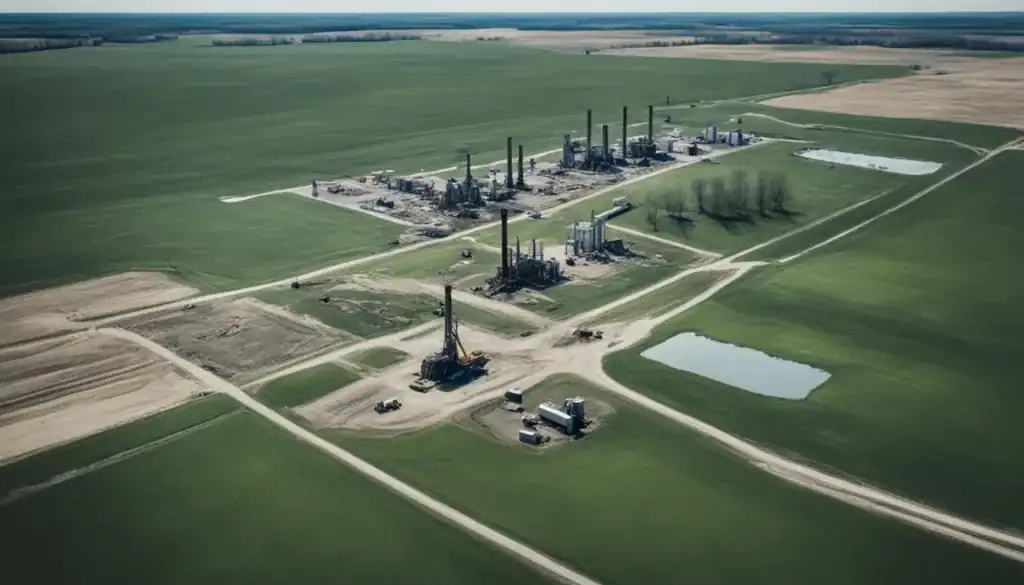
The illusion of economic prosperity brought by fracking has resulted in divided communities and the deterioration of health and environmental conditions. Instead of experiencing the promised economic impact, communities have witnessed the disruption of their way of life and the depletion of natural resources.
Furthermore, the social impact of fracking cannot be ignored. The influx of workers and transitory populations has strained local infrastructure, resulting in increased traffic, housing shortages, and higher crime rates. These social consequences have further contributed to the fragmentation of communities once united.
“Fracking has brought more harm than prosperity to our communities. We thought it would be our economic salvation, but it has only left us with a fractured society and a wounded environment.” – Local resident
The book highlights the importance of understanding the economic and social ramifications of fracking beyond the initial promise of jobs and financial gain. It urges us to reflect on the long-term consequences and consider alternative approaches that prioritize sustainability and the well-being of communities.
Government and Regulatory Failures
Through Eliza Griswold’s investigation in “Amity and Prosperity: One Family and the Fracturing of America,” alarming patterns of government failures and regulatory failures emerge. The Department of Environmental Protection, a key agency responsible for safeguarding the health and well-being of communities affected by fracking, is found to have fallen short in its duty.
Griswold exposes the concerning relationship between regulatory bodies and the oil and gas industry, unraveling a system where the revolving door between the Department of Environmental Protection and lucrative industry positions perpetuates a conflict of interest. This disturbing collusion raises significant doubts about the capacity of government agencies to act in the best interests of the public.
In the book, readers are confronted with the grim reality that communities affected by fracking are left vulnerable due to insufficient regulation and oversight. The failures of government agencies become evident as communities like Amity, Pennsylvania, endure the devastating consequences of fracking on their health, environment, and overall well-being.
“It is deeply unsettling to witness the disregard for public health and the protection of communities demonstrated by government failures and regulatory failures,” Griswold writes. “The revolving door between the Department of Environmental Protection and the oil and gas industry raises serious questions about the integrity and effectiveness of the regulatory process.”
The book serves as a wake-up call, urging policymakers and the public to confront the inherent flaws in the current regulatory framework. It highlights the urgent need for stronger regulations and more transparent oversight to address the multifaceted challenges posed by fracking and protect the well-being of communities affected by government and regulatory failures.
The Fight for Environmental Justice
“Amity and Prosperity” emphasizes the importance of environmental justice through the inspiring fight led by Stacey Haney and her neighbors. In their pursuit of holding responsible parties accountable, they exemplify the power of community activism. The decision to take legal action against Range Resources showcases their determination to seek justice and protect their environment.
Throughout their journey, the community faces numerous challenges. They encounter obstacles in gathering evidence, navigating the legal system, and combating the influence of powerful corporations. However, their unwavering commitment to environmental justice fuels their resilience and determination.
The fight for environmental justice extends beyond the boundaries of Amity, Pennsylvania. It illuminates the broader implications and consequences of unregulated fracking operations in communities across the country. The grassroots activism and legal battles fought by Stacey Haney and her neighbors serve as a powerful example, inspiring others to stand up against environmental injustices.
“The fight for environmental justice extends beyond our community. It’s about ensuring that everyone has the right to clean air, water, and a healthy environment. We are standing up not just for ourselves, but for future generations.” – Stacey Haney
Their fight highlights the urgent need for greater awareness, regulation, and accountability in industries that impact the environment and public health. The battle for environmental justice is a collective effort that requires the active participation and support of individuals, communities, and governmental bodies.
By shedding light on the challenges faced by Stacey Haney and her neighbors, “Amity and Prosperity” inspires readers to contemplate their own roles in promoting environmental justice and encourages them to take action against harmful practices that jeopardize communities and the planet.
Conclusion
In Eliza Griswold’s “Amity and Prosperity: One Family and the Fracturing of America,” we are confronted with a gripping narrative that explores the far-reaching consequences of fracking on communities in southwestern Pennsylvania. Through detailed reporting and compelling storytelling, Griswold reveals the resilience of individuals like Stacey Haney and the urgent need for greater awareness and regulation to protect the environment and the health of affected communities.
The book serves as a wake-up call, shedding light on the negative environmental and health effects of fracking, which have often been overlooked or dismissed. Griswold’s meticulous investigation exposes the failures of government agencies, such as the Department of Environmental Protection, in safeguarding the well-being of these communities. It raises important questions about the influence of corporations and the need for stronger regulations to ensure environmental justice.
As we delve into the personal struggles and legal battles faced by Haney and her neighbors, we witness a community fighting for justice against powerful entities. Griswold’s work reminds us of the power of collective action and the importance of giving voice to those impacted by fracking. It is a compelling call to reassess our priorities and take action to protect both our environment and the health of our communities.