
Welcome to our book review of “Behind the Beautiful Forevers” by Katherine Boo. In this captivating debut, Boo takes us on a journey through the heart of Annawadi, a Mumbai slum near the airport. Through her immersive storytelling and empathetic lens, she paints a vivid portrait of the resilient individuals who call this place home, shining a light on the stark realities of poverty and inequality.
Boo’s unique perspective as a journalist allows her to delve deep into the lives of the residents of Annawadi, capturing their dreams, struggles, and aspirations. Through her meticulous reporting, she brings to life the complexity of their daily existence, revealing the hidden depths beneath the surface of the slum.
Key Takeaways:
- Katherine Boo’s “Behind the Beautiful Forevers” offers a poignant and compelling exploration of life in the Mumbai slum of Annawadi.
- The book showcases the resilience and determination of the individuals living in Annawadi, despite the harsh realities of poverty and inequality.
- Boo’s immersive reporting and empathetic storytelling humanize the residents of the slum, providing a voice to those often unheard and overlooked.
- “Behind the Beautiful Forevers” highlights the need for systemic change to address the pervasive issue of poverty, not only in Annawadi but also in societies worldwide.
- Through Boo’s meticulous research and vivid prose, readers gain a deeper understanding of the challenges faced by marginalized communities and the power of resilience in the face of adversity.
The Characters of Annawadi
One of the central characters in the book is Zehrunisa Husain, a tearful woman who serves as a catalyst for conversations in Annawadi. Boo showcases her family’s aspirations and their endeavor to renovate their kitchen.
Abdul, Zehrunisa’s oldest son, stands out as a pragmatist, adept at trading in refuse. He becomes a middleman, buying the scavengers’ finds and selling them to recycling companies.
Another prominent figure is Asha, who uses her political connections to climb out of poverty while raising her daughter, Manju, the only college-going girl in the slum.
Abdul’s father is also highlighted, having an irritating habit of talking about the future like a fleeting bus.
Life in Annawadi
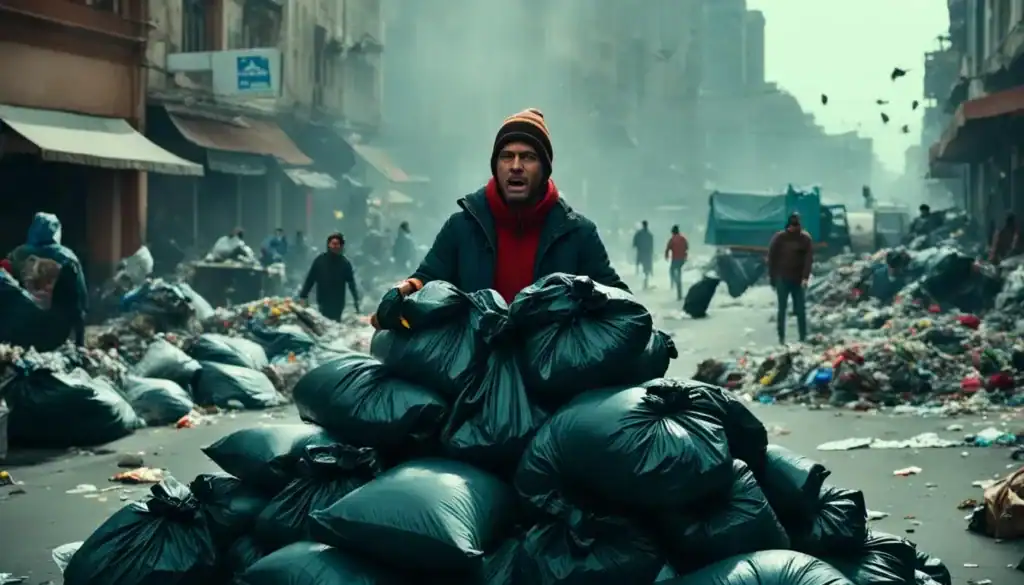
Annawadi, a Mumbai slum, occupies half an acre of land and is home to 3,000 people living in 335 huts. This densely populated area is characterized by a concrete wall that attempts to conceal the poverty-stricken community from sight. In 2008, amidst the dire conditions, scavenging and trash sorting became seemingly promising career choices for the children of Annawadi.
Katherine Boo masterfully portrays the harsh realities of poverty and the limited opportunities for upward mobility within the slum. In Annawadi, dreams of a better life often collide with the daily struggles of survival, perpetuating a cycle of inequality. The residents face the constant challenge of making a living out of the limited resources available, scavenging through trash in search of recyclables that could fetch a modest income.
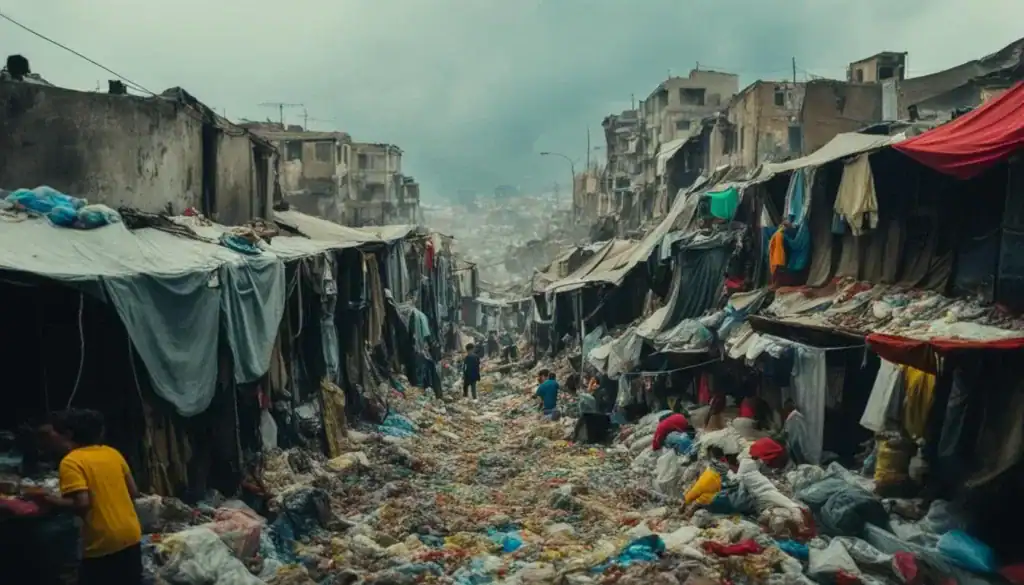
The scavenging and trash sorting activities in Annawadi highlight the stark contrast between the wealthier and more privileged sectors of society and the marginalized slum dwellers. The inequality is evident in the sheer disparity of living conditions and opportunities available to these individuals.
Despite the overwhelming odds, the residents of Annawadi display remarkable resilience in the face of adversity. They strive to improve their lives and those of their families, even in the face of immense challenges and societal barriers. Boo’s narrative brings to light the strength and determination of the people living in this Mumbai slum, showcasing their unwavering spirit in the pursuit of a better future.
The Impact of Corruption and Injustice
Boo’s insightful exploration of “Behind the Beautiful Forevers” uncovers the profound impact of corruption and injustice on the residents of Annawadi. Through her immersive reporting, she reveals the pervasive nature of corruption within the Indian criminal justice system, where innocence and guilt are commodities that can be bought and sold.
In Annawadi, where poverty and inequality reign, the poor and vulnerable are caught in a web of corruption. They are subjected to police abuse and face a justice system that fails to provide fair treatment. The arbitrary nature of life in the slum further exacerbates their struggles, perpetuating a cycle of poverty and compromises.
Boo’s vivid storytelling sheds light on the intersectionality of poverty, inequality, and systemic issues of governance and justice. Her work highlights the urgent need for reform and systemic change to break free from the chains of corruption and injustice that plague societies worldwide.

“Corruption and injustice are the invisible shackles that bind the residents of Annawadi, stifling their hopes and perpetuating their struggles.”
Conclusion
“Behind the Beautiful Forevers” is an astonishing and essential book that takes readers on a journey through the harsh realities of poverty in Annawadi, a slum in Mumbai, India. Katherine Boo’s immersive reporting provides a deeply felt account of the lives of individuals who are often marginalized and excluded from mainstream narratives.
Through meticulous research and empathetic storytelling, Boo humanizes the residents of Annawadi, highlighting their resilience in the face of adversity. The book explores the dreams, struggles, and limitations faced by the people living in poverty, shedding light on the systemic issues that perpetuate inequality.
Boo’s depiction of life in Annawadi serves as a compelling call for systemic change, not only in India but also in societies worldwide. It reminds us of the urgent need to address the pervasive issue of poverty and create a more equitable future for all. “Behind the Beautiful Forevers” stands as a testament to the power of storytelling and the importance of amplifying the voices of those who are often silenced.