
Welcome to our book review of “Burmese Days” by George Orwell. In this article, we will provide a detailed critique of this influential novel that explores themes of imperialism, identity, and racism. Published in 1934, “Burmese Days” draws on Orwell’s own experiences serving in the Indian imperial police force in Burma. Through vivid descriptions and sharp observations, Orwell offers a searing indictment of colonial rule.
Orwell’s Experience in Burma
During the years 1922 to 1927, George Orwell served in the Indian imperial police force in Burma. This firsthand experience profoundly influenced his writing and provided the inspiration for his novel, Burmese Days.
Orwell’s time in Burma was transformative, altering his perspective from that of a snobbish public-school boy to a writer with a social conscience. Witnessing the oppressive nature of British rule firsthand, he began to question the ideals of imperialism.
His encounters with the realities of colonialism shaped his writing style and fueled his disdain for authority. Orwell’s vivid descriptions and sharp observations captured the complexities and injustices of the imperialist system.
“The first time I saw a white man’s body, – what is more, saw it naked – was during my second year in Burma.”
Orwell’s experiences in Burma provided him with invaluable insights into the oppressive system he would later critique in Burmese Days. It was in this remote and foreign land that he discovered his calling as a writer of social conscience, using his words to shed light on the dark underbelly of imperialism.
Characters and Themes in Burmese Days
In Burmese Days, the characters are depicted as corruptible and morally questionable. The protagonist, John Flory, is a white timber-merchant who challenges convention by befriending a native in a society rife with racism and prejudice. The novel explores themes such as identity, loneliness, ignorance, racism, and greed. Orwell’s portrayal of the characters and their actions serves as a scathing critique of the colonial system.
“The characters in Burmese Days embody the dark underbelly of British colonial rule. From the morally conflicted John Flory to the deeply prejudiced Ellis, Orwell exposes the hypocrisy and corruption that permeate the society of the time.”
One of the central themes in Burmese Days is the exploration of identity. Through characters like John Flory, who questions his place within the white elite, Orwell delves into the complexities of self-perception and the desire for acceptance. He also delves into the themes of loneliness and isolation, as Flory finds himself trapped between two worlds but unable to fully belong to either.
The novel also confronts the issue of ignorance, as the European characters display a profound lack of understanding and empathy towards the native population. This ignorance leads to racism and prejudice, which Orwell condemns and critiques throughout the story.
The pervasive greed that consumes both the British colonizers and the native population is another important theme in the novel. Orwell highlights the destructive consequences of the pursuit of personal gain at the expense of others, further revealing the corruption at the heart of the colonial system.
Through the portrayal of characters and exploration of these themes, Burmese Days provides a powerful examination of the detrimental effects of imperialism and the moral decay that accompanies it.
Orwell’s Writing Style in Burmese Days
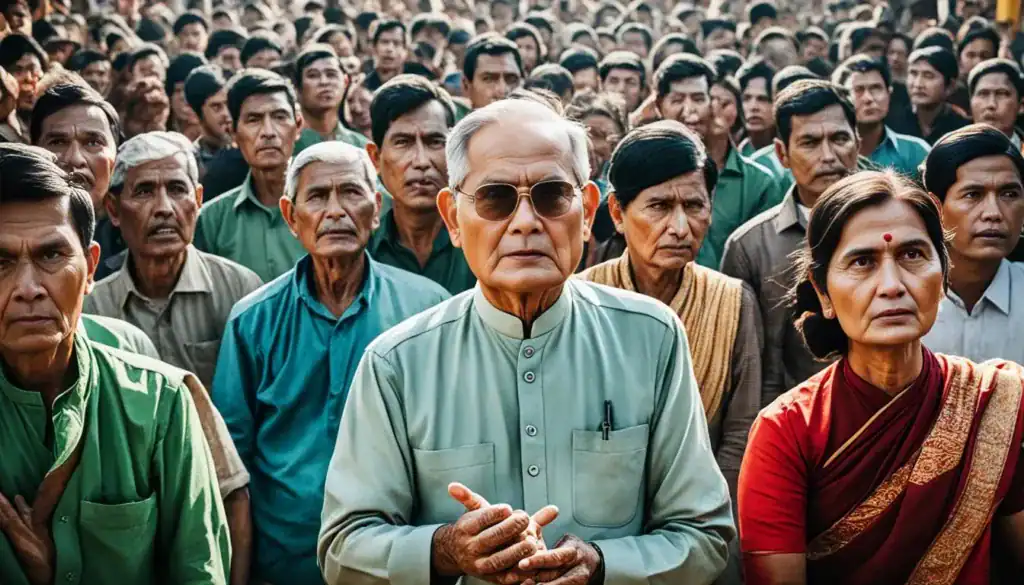
In George Orwell’s novel Burmese Days, his distinctive writing style captivates readers with its vivid descriptions and keen eye for detail. Through his masterful use of language, Orwell brings the Burmese landscape to life, immersing us in a world of lush beauty and vibrant colors.
Orwell’s prose is both elegant and evocative, painting a picture of the native flora and the clash of cultures with remarkable clarity. His descriptive passages transport us to the heart of Burma, allowing us to feel the heat of the sun, smell the tropical scents, and hear the sounds of nature.
One striking aspect of Orwell’s writing style is his ability to convey a sense of place and atmosphere. Through his vivid descriptions, we can visualize the bustling streets of the colonial town, with its mix of British and Burmese influences. We can almost taste the exotic flavors of the local cuisine and feel the humid air on our skin.
But Orwell’s writing style goes beyond mere physical descriptions. It is infused with wit, irony, and a dry humor that adds depth to the narrative. Through his well-crafted dialogues and witty observations, he skillfully satirizes the hypocrisy and absurdity of the colonial system.
Orwell’s prose is like a brush on canvas, meticulously painting a vivid picture of the colonial world in all its complexities and contradictions.
In addition to his portrayal of the external world, Orwell’s writing style delves deep into the internal worlds of his characters. He masterfully conveys their complex emotions, inner conflicts, and moral dilemmas, making them relatable and compelling. Through his words, we experience their loneliness, their desires, and their struggles against the oppressive forces of imperialism.

Orwell’s Perspective on Empathy and Imperialism
Orwell’s journey through Burma offered him a firsthand look at the realities of imperialism, leaving an indelible mark on his perspective. He couldn’t remain oblivious to the injustices imposed by British rule and the inherent inequalities within the colonial system. In his novel Burmese Days, Orwell fearlessly confronts these pressing issues and demonstrates profound empathy for the native people and their culture.
Through his writing, Orwell exposes the contradictions and hypocritical nature of the imperialist empire. He masterfully captures the struggles faced by the oppressed, inviting readers to question the moral implications of power dynamics and dominant ideologies. The raw emotional depth in his portrayal evokes a sense of urgency, urging us to strive for empathy and a deeper understanding of the colonial experience.
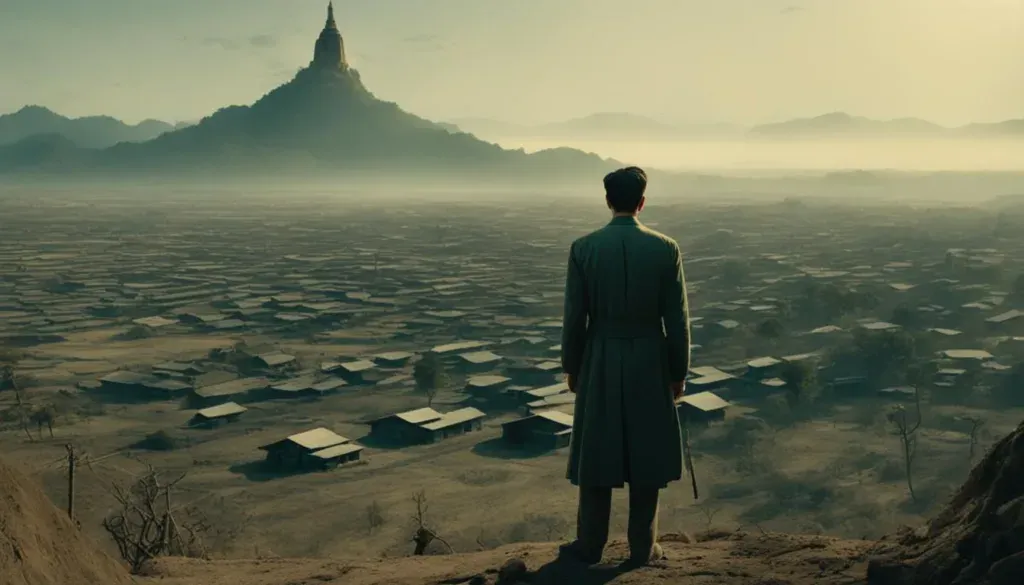
Orwell’s heartfelt plea for empathy resonates strongly with today’s world, where the echoes of imperialism persist in various forms. His perspective challenges us to examine our own biases and privileges, encouraging a shift towards a more inclusive and compassionate society.
The Impact of Burmese Days
Although Burmese Days received mixed reviews upon its publication, it has since become recognized as a significant work in Orwell’s literary career. The novel explores themes and ideas that would come to define Orwell’s later works, such as 1984 and Animal Farm. Burmese Days has had a lasting impact on literature, inspiring other writers to examine the complexities of imperialism, racism, and power dynamics.
“Burmese Days is a poignant exploration of the human condition under the grip of imperialism. Orwell’s astute observations and critique of power dynamics have had a profound influence on literature, sparking conversations about the lasting effects of colonialism and the importance of challenging oppressive systems.”
– Literary Critic
The legacy of Orwell’s Burmese Days lies not only in its thematic exploration but also in its stylistic execution. Orwell’s vivid descriptions and thought-provoking storytelling continue to captivate readers, prompting reflection on the intersections of power, identity, and morality. His uncompromising portrayal of the dark shadows of imperialism has left an indelible mark on the literary landscape.
Influence on Literature
The impact of Burmese Days extends beyond Orwell’s immediate contemporaries. The novel’s exploration of the human psyche, the consequences of unchecked power, and the fight for individual freedom has reverberated throughout the literary world. Many authors have drawn inspiration from Burmese Days in their own examinations of imperialism and its ripple effects.
Orwell’s legacy as a master of social commentary is securely rooted in the influence of Burmese Days. The novel serves as a powerful reminder of the importance of literature in shedding light on societal injustices and challenging prevailing norms. Through his writings, Orwell continues to inspire readers and writers alike to question authority, seek truth, and advocate for a more just and equitable world.
Adaptations and Future Projects
While Burmese Days has yet to be adapted into a film, there are exciting possibilities on the horizon. One notable actor who has shown interest in bringing the story to life is Ralph Fiennes. Fiennes, known for his captivating performances, has expressed his desire to play the complex character John Flory. In fact, he has gone a step further and sent a script adaptation to acclaimed director Roger Michell.
If a film adaptation of Burmese Days comes to fruition, it could have a profound impact on how Orwell’s powerful story is experienced. This potential adaptation has the opportunity to introduce a wider audience to Orwell’s poignant exploration of imperialism, racism, and the struggle for identity. Furthermore, a successful film adaptation would further solidify Burmese Days’ place in literary history, ensuring its lasting impact for generations to come.
Conclusion
In conclusion, Burmese Days is a significant work in George Orwell’s literary career. The novel explores the themes of imperialism, racism, and the struggle for identity, showcasing Orwell’s ability to provide keen observations and vivid descriptions that captivate readers.
Burmese Days continues to resonate with readers today, as it provokes discussions on the legacy of imperialism and the importance of empathy and understanding. Orwell’s powerful storytelling and thought-provoking narrative make this novel a timeless piece of literature.
Orwell’s legacy as a writer and social critic is firmly established with Burmese Days. His ability to shed light on the complexities of human nature and social issues remains relevant and influential, inspiring readers and future writers alike. Burmese Days serves as a reminder of the power of literature to challenge the status quo and drive meaningful change.