
Welcome to our book review of Catch-22 by Joseph Heller, a classic novel that combines satire and wit to offer a unique perspective on war and bureaucracy. In this article, we will delve into the origins of Catch-22, explore the setting and characters, analyze the absurdity and satire within the book, examine its impact and legacy, and conclude with our thoughts on this satirical masterpiece.
Key Takeaways
- Catch-22 is a satirical novel written by Joseph Heller, known for its clever wit and satire.
- The book explores the absurdities of war and bureaucracy through the eyes of its protagonist, Yossarian.
- The origins of Catch-22 include a title change from Catch-18 and doubts about its appeal to the American public, which were soon dispelled.
- The setting of the book is World War II, and Heller’s own experiences as a bombardier influenced the novel’s authenticity.
- Catch-22 employs satire to critique militarism, red tape, and societal norms, using absurd situations and exaggerated characters.
The Origins of Catch-22
When discussing the origins of Catch-22, it’s fascinating to explore the journey that Joseph Heller’s novel took before becoming the beloved classic it is today. Originally, the book was titled Catch-18. However, due to the publication of another novel called Mila-18 in the same year, Heller’s publisher suggested a title change to avoid confusion.
Catch-22 is known for its clever use of satire and wit, and the number 22 plays a significant role in the thematic structure of the book. This number represents the recurring themes and situations that characters in the novel find themselves trapped in, highlighting the absurdities of war and bureaucracy.
Interestingly, Catch-22 initially faced doubts about its appeal to the American public. It was released in 1961, a time when war literature wasn’t as prevalent or popular. However, thanks to the changing cultural climate of the 1960s and the novel’s biting social commentary, it quickly gained traction and became a major success.
The Setting and Characters of Catch-22
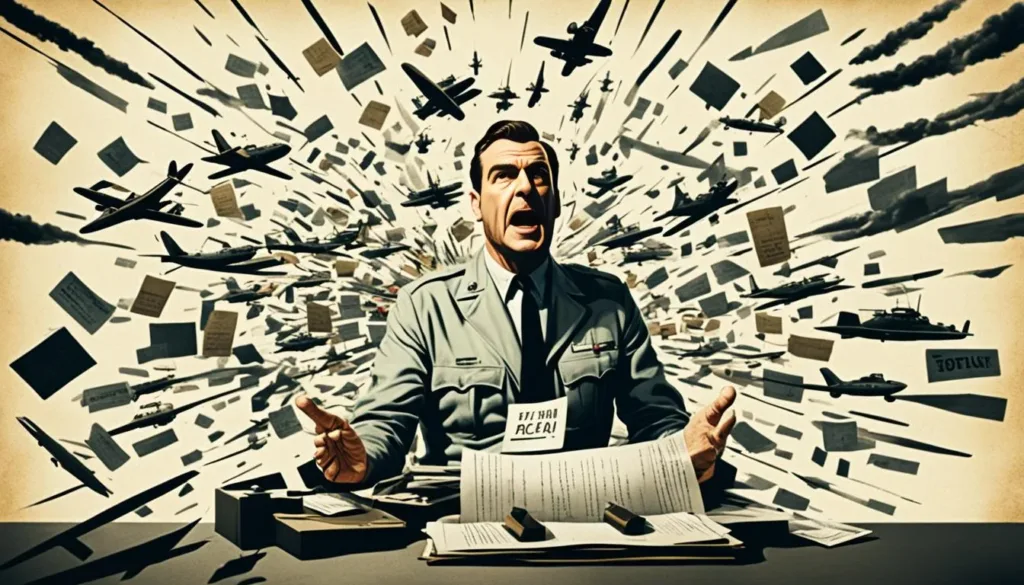
Catch-22 is a gripping novel set during World War II, taking readers on a journey through the experiences of its remarkable characters. One such character is Yossarian, a bombardier in the U.S. Army Air Corps. As the story unfolds, we witness Yossarian’s frustration mounting as Colonel Cathcart continuously raises the number of combat missions required for the soldiers to return home.
The setting of Catch-22 amidst the chaos and uncertainty of World War II adds a layer of authenticity to the narrative. Author Joseph Heller drew inspiration from his own experiences as a bombardier in the war, infusing the story with a profound resonance. This real-world influence gives the novel a deep sense of credibility, allowing readers to connect with the characters and their struggles on a visceral level.
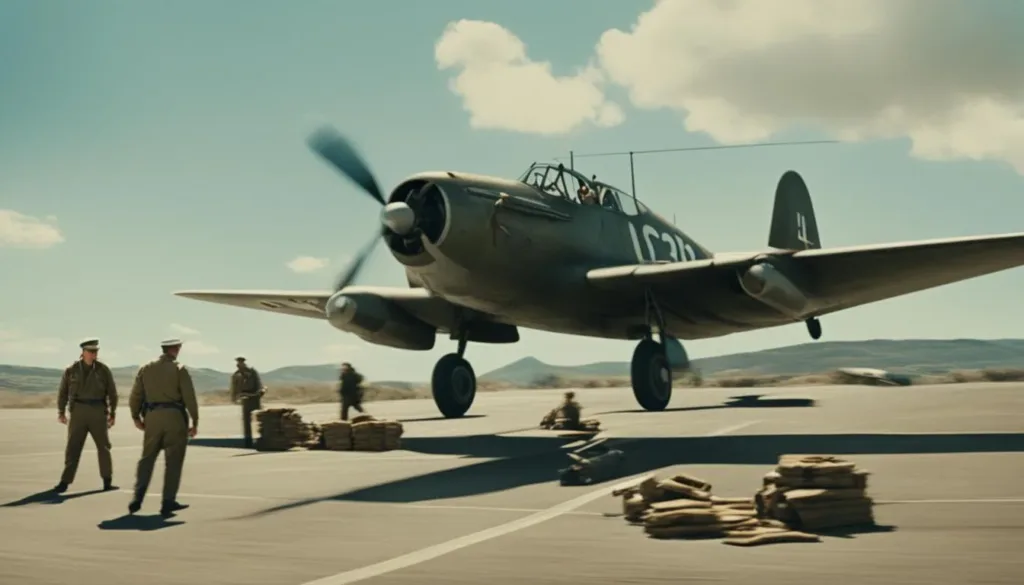
Through vividly depicted scenes and intimate portrayals of the characters, Heller successfully captures the harsh realities of war, while also masterfully highlighting the complexities of human nature. Yossarian’s relentless pursuit of freedom in the face of bureaucratic absurdity serves as a powerful metaphor for the struggle against oppressive systems.
“In a world where logic is dictated by an illogical rule, Heller forces us to question the very nature of sanity and the absurdity of war.” – Literary Critic
The interplay between setting, characters, and Heller’s personal experiences culminate in a thought-provoking exploration of the human condition, offering readers a profound understanding of the challenges faced by individuals during times of conflict.
The Absurdity and Satire of Catch-22
The heart of Catch-22 lies in its exploration of the absurdities of war and bureaucracy. Joseph Heller masterfully employs satire to criticize militarism, red tape, discipline, and other aspects of society, creating a scathing commentary on the human condition.
Heller’s use of absurd situations, exaggerated characters, and repetitive language adds to the book’s comedic yet biting critique. Through the lens of dark humor, Catch-22 satirizes the cruel and senseless nature of war, laying bare the follies of humanity in the face of conflict.
“Major Major’s father couldn’t have been a traitor, because he was never a Communist.”
The characters in Catch-22 are richly developed and contribute to the overall satire of the novel. From the eccentric and paradoxical protagonist, Yossarian, to the power-hungry, bureaucratic Colonel Cathcart, the characters embody different facets of the absurdity and hypocrisy present in war and society.
The satire in Catch-22 not only entertains readers but also forces them to confront uncomfortable truths about the systems that govern our lives. Heller’s masterful blend of humor, wit, and social commentary ensures that Catch-22 remains a timeless classic that continues to resonate with audiences, provoking thought and reflection long after its initial publication.
The Impact and Legacy of Catch-22
The impact of Catch-22 has reverberated across generations, leaving an indelible mark on readers. Its unique blend of comedy and social commentary has captivated audiences and continues to resonate today. Joseph Heller’s brilliant portrayal of the absurdities of war and bureaucracy has solidified Catch-22’s place as a landmark in war literature, challenging traditional narratives and offering a fresh perspective on the human experience in times of conflict.
Heller’s innovative writing style and dark humor have influenced countless authors, shaping the landscape of literature. Catch-22’s legacy is evident in the works of renowned satirists and social critics, who draw inspiration from Heller’s masterful blend of wit and insight. The novel’s biting satire serves as a powerful reminder of the inherent folly of war and the complexities of human existence.
Conclusion
In summary, Catch-22 by Joseph Heller is a satirical masterpiece that skillfully explores the complexities of war and bureaucracy. Heller’s witty and insightful writing has catapulted the novel into the realm of timeless classics. Through its memorable characters, clever satire, and biting social commentary, Catch-22 continues to captivate readers and provoke deep contemplation on the absurdities of human existence.
Catch-22’s enduring impact lies in its ability to shed light on the follies and contradictions of war and society. Heller’s unique blend of humor and criticism challenges traditional narratives and offers a fresh perspective on the human experience during times of conflict. The novel’s biting satire serves as a stark reminder of the senselessness and cruelty often found in war, making it a powerful and thought-provoking read.
Joseph Heller’s satirical masterpiece will forever hold a place in the canon of literature, influencing countless authors and captivating generations of readers. Catch-22 serves as a poignant reminder of the power of literature to shed light on the darkest aspects of our world, leaving an indelible mark on the genre of war literature. Its enduring legacy continues to resonate with audiences, cementing its status as a must-read for anyone seeking a profound exploration of the human condition.