
Welcome to our book review of “The Good Lord Bird” by James McBride. In this captivating novel, McBride takes us on a humorous and heart-wrenching journey through the American slave era. Prepare to be immersed in a narrative filled with laughter and heartbreak as we explore the story of John Brown, a notorious white abolitionist, through the eyes of a freed slave boy who masquerades as a girl.
Key Takeaways:
- McBride’s “The Good Lord Bird” offers a unique perspective on John Brown’s crusade against slavery, providing valuable insights into this pivotal historical moment.
- The novel blends humor and harsh realities, presenting a nuanced portrayal of the American slave era.
- The Kansas Territory setting adds depth to the story, highlighting both the chaos and development of America during this time.
- “The Good Lord Bird” serves as a tribute to John Brown, shedding light on his flaws, aspirations, and unwavering dedication to the abolitionist cause.
- James McBride’s storytelling prowess shines through in this thought-provoking novel.
A Unique Perspective on John Brown’s Crusade
In James McBride’s novel, The Good Lord Bird, readers are presented with a fictional yet insightful view of John Brown’s violent crusade against slavery in the Kansas Territory. This captivating story is told through the eyes of Henry, a young slave boy who, after being liberated by Brown, becomes an integral part of his “army” for four transformative years.
McBride skillfully portrays Brown as a complex character, blending moments of incompetence with lofty goals and heroic aspirations. Through Henry’s perspective, readers witness the fervor and passion that fueled Brown’s abolitionist mission, as well as the unintended consequences that arose from his relentless pursuit of justice.
The The Good Lord Bird also offers an unexpected glimpse into the lives of other historical figures, such as Frederick Douglass and Harriet Tubman, who played significant roles in the fight against slavery. McBride’s unconventional portrayals challenge conventional narratives and provide a fresh perspective on these iconic figures.
Unearthing the Layers of Complexity
Beneath its historical backdrop, The Good Lord Bird delves deep into the complexities of not only John Brown but also the larger struggle for freedom and equality. McBride’s masterful storytelling brings the Kansas Territory to life, painting a vivid picture of the lawless and ever-evolving American landscape where the fight against slavery was waged.
“The Good Lord Bird” intertwines the harsh realities of slavery with moments of humor and wit, creating a unique reading experience that engages both the heart and the mind.
McBride’s choice of narrative style adds further authenticity to the story. Using vernacular and distinct voices, he captures the nuances and struggles of the characters, transporting readers to a time and place where every word carries weight and significance.
Through this lens, The Good Lord Bird challenges readers to confront the complexities of history, reminding us that even those we consider heroes can be flawed. It invites us to question our understanding of the past, encouraging conversations about the intricacies of morality, justice, and the pursuit of liberty.
A Captivating Journey Through History
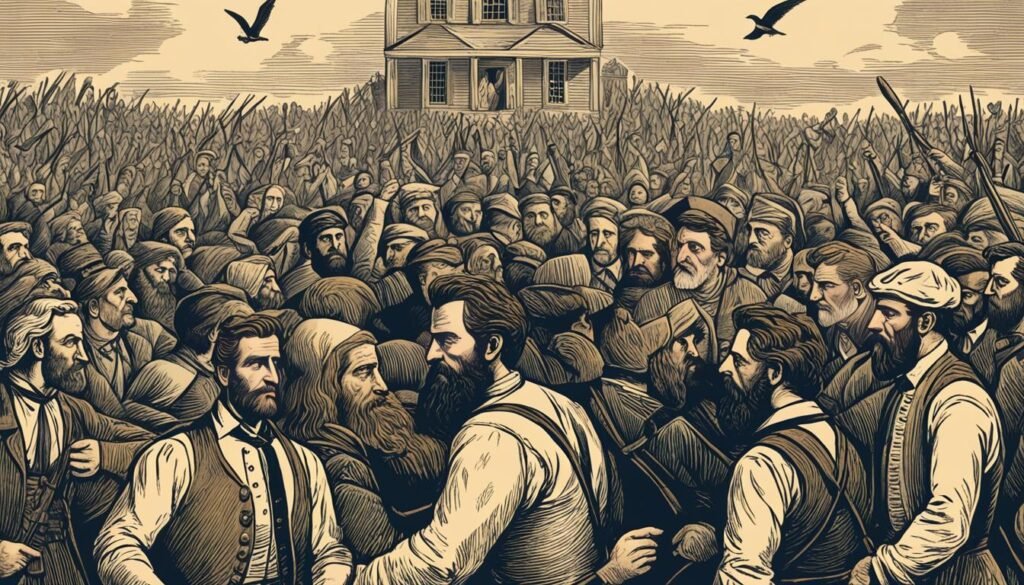
In summary, The Good Lord Bird offers a fresh and compelling perspective on John Brown’s crusade against slavery. James McBride’s rich storytelling and intricate character development breathe life into historical events, delivering a captivating journey through the Kansas Territory and beyond. Whether you are a fan of historical fiction or simply seeking a thought-provoking read, this novel deserves a place on your bookshelf.
The Setting and Narrative Style
Set in the lawless but slightly less racially oppressive Kansas Territory, The Good Lord Bird provides a unique backdrop for James McBride to blend the harsh realities of slavery with comedy. The novel explores the lives of characters who, despite the brutal existence of slavery, understand that there are far worse places for black individuals during this tumultuous time in American history.
McBride skillfully presents a chaotic and developing America, shedding light on the complexities of race and the delay in recognizing basic rights and wrongs. Through his storytelling, he raises important questions and challenges societal norms.
The narrative style of The Good Lord Bird mirrors that of Mark Twain, capturing the essence of the era through vernacular and humor. The use of colloquial language adds authenticity to the story, immersing readers in the world of the characters and their experiences.

“The novel allows us to confront the harsh realities of slavery while finding moments of laughter and hope. It serves as a reminder that even in the darkest times, humor can be a powerful tool for survival and resistance.” – Publisher’s Weekly
The Good Lord Bird artfully combines comedy and historical fiction, offering readers a compelling and thought-provoking exploration of slavery in the Kansas Territory. Through its setting and narrative style, the novel sheds light on important historical issues while providing an engaging and entertaining reading experience.
A Tribute to John Brown
In “The Good Lord Bird,” James McBride pays homage to John Brown, an influential figure often overlooked in history. Through the character of Henry, McBride skillfully portrays Brown’s flaws and idiosyncrasies, while still emphasizing his unwavering dedication to the abolitionist cause.

As the narrative unfolds, McBride sets the stage for the climactic raid on Harper’s Ferry, a pivotal event that kindled the tensions leading to the Civil War. This momentous act showcases Brown’s audacity and the profound impact he had on the nation’s history.
McBride’s storytelling prowess shines as he weaves a captivating tale that serves as a tribute to Brown’s remarkable journey. The vivid portrayal of Brown’s character, both flawed and resolute, provokes introspection and compels readers to reflect on the complex dynamics of the Civil War era.
Reflecting on “The Good Lord Bird”
“The Good Lord Bird” by James McBride is a remarkable novel that captivates readers with its blend of humor and heartbreak. McBride’s unique perspective on John Brown’s crusade against slavery offers a fresh and thought-provoking look at a pivotal moment in American history. From start to finish, McBride’s storytelling prowess shines through, making this book a standout in his impressive body of work.
One of the key strengths of “The Good Lord Bird” is McBride’s ability to bring historical figures to life with complexity and nuance. His portrayal of John Brown, the infamous white abolitionist, reveals a multifaceted character who is both passionate and flawed. McBride doesn’t shy away from highlighting Brown’s grandiose aspirations and occasional incompetence, presenting a more realistic and humanistic portrayal of this historical figure.
As we delve into the pages of “The Good Lord Bird,” we are transported to the chaos and brutality of the American slave era. McBride’s vivid descriptions of the Kansas Territory where the story unfolds evoke a sense of time and place that adds to the authenticity of the narrative. The humor infused throughout the novel serves as a powerful contrast to the harsh realities of slavery, creating a compelling and unforgettable reading experience.
For fans of James McBride and those new to his work, “The Good Lord Bird” is a must-read. This book not only showcases McBride’s exceptional storytelling skills but also offers a deeper understanding of a crucial period in American history. With its blend of humor, heartbreak, and thought-provoking insights, “The Good Lord Bird” is a testament to the power of literature and its ability to shed light on the human condition.