
In this book review, we will discuss “The Sixth Extinction: An Unnatural History” by Elizabeth Kolbert. Published in 2014, this book has garnered praise for its compelling exploration of the current mass extinction event caused by human activities.
Elizabeth Kolbert, a staff writer at The New Yorker, takes readers on a global journey to witness the devastating impact of human actions on the planet’s biodiversity. Through vivid firsthand reporting, she presents compelling evidence of the urgent need to address climate change and its consequences for all living species.
Key Takeaways:
- The Sixth Extinction by Elizabeth Kolbert is a highly acclaimed science book that delves into the current mass extinction event.
- Kolbert’s firsthand reporting sheds light on the urgent need to address climate change and its devastating impact on biodiversity.
- Human activities, particularly climate change, are driving the sixth mass extinction event.
- Climate change disrupts ecological systems, endangering the survival of numerous plant and animal species.
- Examples provided in the book highlight the harmful impact humans have on various species, emphasizing the need for conservation efforts.
A Sixth Mass Extinction
The concept of extinction has been a topic of scientific interest since the 18th century. However, the current understanding of its impact has evolved, leading to a growing recognition that human activities, particularly climate change, are driving the sixth mass extinction event. This alarming wave of extinction is characterized by a significant loss of plant and animal species, with estimates suggesting that 20 to 50 percent of all living species on Earth could be wiped out within this century.
The rate of biodiversity loss is deeply concerning, and its impact can be attributed to various factors. Habitat destruction, fueled by deforestation and urbanization, disrupts ecosystems and displaces countless species, pushing them towards extinction. Pollution, whether from industrial activities or plastic waste, contaminates natural habitats and endangers the delicate balance of ecosystems. Additionally, the introduction of invasive species has proven detrimental to native flora and fauna, further contributing to the loss of biodiversity.
In order to address this critical global crisis, it is crucial to acknowledge the role of human actions and take immediate measures to protect our planet’s delicate ecosystems. We must strive to minimize habitat destruction, reduce pollution, and prevent the introduction of invasive species. By adopting more sustainable practices and promoting environmental awareness, we can slow down the mass extinction process and preserve our planet’s incredible biodiversity for future generations.
Climate Change and its Impact
One of the primary drivers behind the sixth mass extinction event is climate change. The excessive emission of greenhouse gases, such as carbon dioxide, has led to rapid global warming and severe ecological disruption. Rising temperatures have far-reaching consequences, destabilizing ecosystem dynamics and threatening the survival of numerous plant and animal species.
Climate change not only affects terrestrial habitats but also has a profound impact on marine life. The acidification of the oceans, caused by increased carbon dioxide absorption, poses a significant threat to coral reefs and the vast array of species that rely on their existence. As the frequency and intensity of extreme weather events, such as hurricanes and droughts, continue to escalate, the resilience of ecosystems is further compromised.
“The time for action is now!”
“The current mass extinction event is a direct result of human activities and can only be halted through immediate action. It is our responsibility to protect and preserve the incredible biodiversity that exists on our planet. The time for action is now!”
The urgency of the situation cannot be overstated. We must recognize our collective impact and work towards implementing sustainable practices that prioritize environmental conservation and biodiversity preservation. By doing so, we can ensure a harmonious coexistence with the multitude of species that call Earth home, fostering a sustainable future for humanity and all living organisms.
The Devastating Effects of Climate Change
Climate change, driven by excessive greenhouse gas emissions, is a leading cause of the current mass extinction event. The accumulation of carbon dioxide in the atmosphere has led to rapid global warming, impacting both the atmosphere and the oceans. As temperatures rise, ecological systems are disrupted, posing a threat to the survival of numerous plant and animal species.
The absorption of carbon dioxide by the oceans has resulted in their acidification, which poses a severe threat to marine life, including vulnerable coral reefs. These devastating effects of climate change highlight the urgent need for immediate action to mitigate further ecological disruption and protect our planet’s biodiversity.
Examples of Extinction and Human Impact
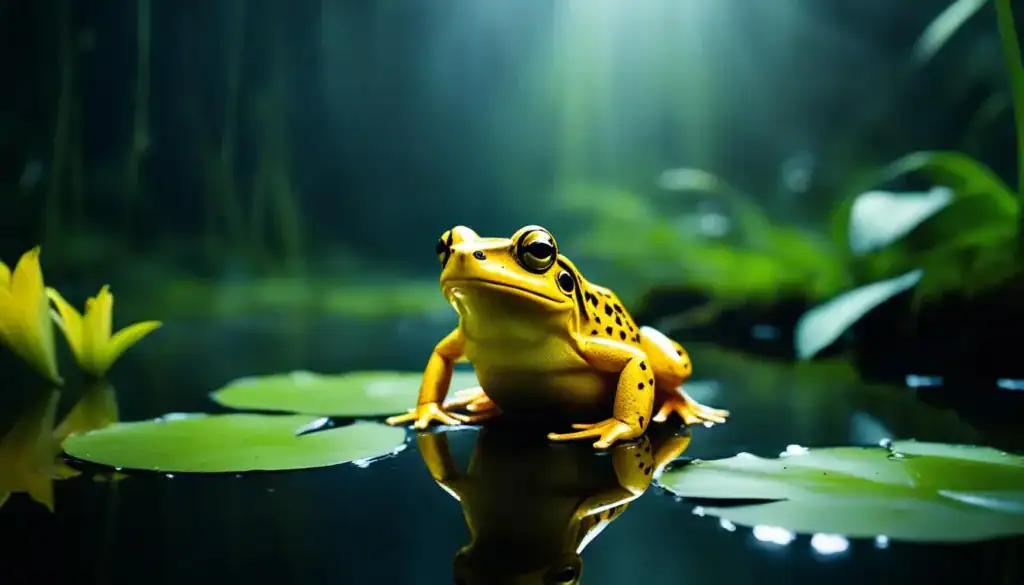
The book “The Sixth Extinction” provides compelling examples of how human activities directly contribute to species extinction. One such example is the golden frog, Atelopus zeteki, which is rapidly disappearing due to a deadly fungus inadvertently spread by human activities. This vibrant amphibian, known for its striking golden color, is teetering on the edge of extinction. The spread of the fungus has decimated their populations, leaving behind only a fraction of their once-thriving numbers.
Another tragic case highlighted in the book is the plight of the rhino. Poaching, driven by the demand for rhino horns, has pushed these magnificent creatures to the brink of extinction. Rhinos, with their prehistoric appearance and majestic horns, are being killed at an alarming rate, with their populations dramatically declining. The insatiable demand for rhino horns, fueled by unfounded beliefs in their medicinal properties, has led to devastating consequences for these iconic species.
These heart-wrenching examples of the golden frog and the rhino demonstrate the destructive impact of human activities on various species. Whether it is the accidental spread of deadly fungus or the direct exploitation driven by misguided beliefs, our actions have dire consequences for countless creatures. We must wake up to the urgency and address the root causes of extinction before it’s too late.
It is crucial that we embrace sustainable practices and promote biodiversity conservation to prevent further loss of precious species. As the book emphasizes, we have the power to make a difference by raising awareness, supporting conservation efforts, and advocating for responsible stewardship of our planet. Only through collective action can we protect the diversity of life on Earth and ensure a sustainable future for all.
Conclusion
“The Sixth Extinction” by Elizabeth Kolbert serves as a wake-up call for all of us, urging us to recognize the dire consequences of our actions on the planet’s biodiversity. It is evident that we are currently facing a mass extinction event, and the time to act is now.
The book emphasizes the urgent need for increased conservation efforts, environmental awareness, and the adoption of sustainable practices. We must prioritize the preservation of biodiversity, recognizing the crucial role it plays in maintaining the delicate balance of Earth’s ecosystems.
By addressing the root causes of this extinction crisis and promoting biodiversity preservation, we can work towards ensuring a sustainable future for ourselves and the countless species with which we share this planet. It is a collective responsibility, and each individual’s actions matter. Together, we can make a difference and protect the natural world that sustains us all.