
Welcome to our comprehensive review of The Stand, the epic novel by Stephen King. In this article, we will delve into the themes, characters, and impact of this post-apocalyptic masterpiece. Join us as we explore the battle between good and evil, the journey of the survivors, and the symbolism woven throughout the narrative.
Key Takeaways:
- The Stand is a definitive novel by Stephen King, known for its gripping storytelling and complex characters.
- The book explores themes of good vs. evil, the consequences of human hubris, and the power of faith and resilience.
- Set in a post-apocalyptic world devastated by a deadly virus, the story follows a group of survivors as they navigate a desolate landscape.
- Stephen King’s masterful use of symbolism invites readers to ponder deeper meanings throughout the narrative.
- The Stand has had a lasting impact since its publication in 1978, solidifying its place as a modern classic of the post-apocalyptic genre.
The Plot and Setting of The Stand
The Stand is a gripping novel set in a post-apocalyptic world that has been ravaged by a deadly virus called Captain Trips. This devastating pandemic wipes out 99.4% of the population, leaving behind a desolate landscape filled with abandoned cities and shattered remnants of society.
The story follows a group of survivors as they embark on a harrowing journey across the United States, from Texas to Maine. They face not only the physical challenges of their surroundings but also the psychological toll of their bleak reality. In this harsh and unforgiving setting, they must navigate the ruins of civilization and confront the darkest aspects of human nature.
The novel presents a vast and sprawling narrative, encompassing the struggles, triumphs, and losses of its characters. It explores themes of survival, redemption, and the search for meaning in the face of unimaginable tragedy.
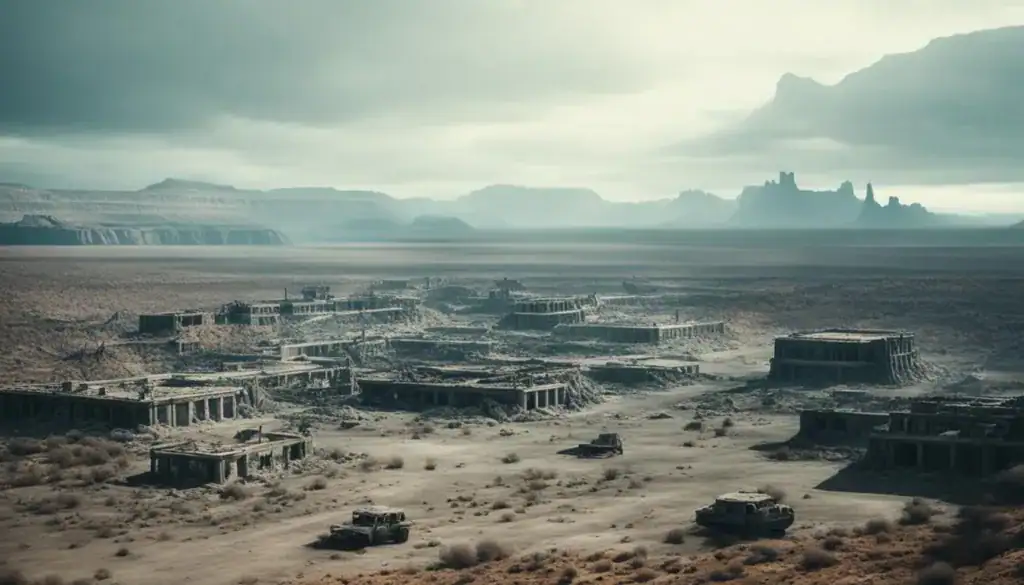
“The journey of the survivors in The Stand is a testament to the resilience of the human spirit. Stephen King paints a vivid picture of a world on the brink of collapse, capturing both the physical hardships and the emotional turmoil of his characters.” – Book Review Digest
The setting plays a crucial role in the narrative, as it reflects the profound impact of the pandemic on the world. King’s meticulous attention to detail brings the desolate landscapes and haunting atmosphere to life, immersing readers in the post-apocalyptic reality of The Stand.
Stay tuned as we dive deeper into the unforgettable characters, profound themes, and lasting legacy of this remarkable novel.
The Characters of The Stand
The Stand, a captivating novel by Stephen King, boasts a diverse cast of characters, each grappling with their own unique struggles and motivations. From the noble Stu Redman to the enigmatic Randall Flagg, these characters are expertly crafted and provide a compelling exploration of human nature in the face of adversity.
One of the central characters in the story is Stu Redman, portrayed as a beacon of strength and integrity. As the novel unfolds, we witness Stu’s resilience and unwavering commitment to protecting and leading the survivors. His selflessness and determination make him an admirable protagonist.
On the other hand, we encounter the mysterious and influential Randall Flagg. This enigmatic character embodies the forces of evil and serves as the primary antagonist in The Stand. With his manipulative nature and dark charisma, Flagg poses a constant threat to the surviving group.
Other notable characters in the novel include Frannie Goldsmith, a young pregnant woman searching for hope amidst the chaos, and Larry Underwood, a troubled musician who embarks on a transformative journey. These characters, along with many others, contribute to the complex web of relationships and dynamics that drive the narrative forward.
“The diverse and well-developed characters in The Stand add depth and complexity to the gripping tale, allowing readers to fully immerse themselves in this post-apocalyptic world.”
In this section, we will delve into the major characters of The Stand, exploring their roles, strengths, and flaws. Through their experiences, we gain insight into the intricacies of human nature, shedding light on the choices and sacrifices made in the pursuit of survival.

Stu Redman: The Noble Survivor
Stu Redman stands as a symbol of hope and resilience in The Stand. With his unwavering commitment, he becomes the natural leader of the survivors. Stu’s determination and loyalty to his comrades make him a character to root for.
Randall Flagg: The Enigmatic Antagonist
Randall Flagg, a character shrouded in mystery, serves as the embodiment of evil in The Stand. His manipulative nature and ability to sow discord create constant tension among the survivors. Flagg’s presence adds a sense of impending danger and raises questions about the nature of good and evil.
Frannie Goldsmith and Larry Underwood: Striving for Hope
Frannie Goldsmith and Larry Underwood, two of the main characters in The Stand, represent the struggles and resilience of the human spirit. Frannie’s determination to protect her unborn child and find a safe haven drives her actions, while Larry’s journey from a troubled past to becoming a vital member of the group showcases personal growth and redemption.
“Stephen King’s masterful characterization in The Stand brings these characters to life, providing readers with an emotional connection and a deeper understanding of their motivations.”
Throughout our exploration of The Stand, we will uncover the complexities and growth of these characters, as well as the profound impact they have on the overall narrative. Their strengths, flaws, and interactions shape the story, making The Stand a truly unforgettable reading experience.
Themes and Symbolism in The Stand
The Stand explores several timeless themes that resonate with readers, making it a thought-provoking and captivating read. One of the central themes in the novel is the eternal struggle between good and evil. Stephen King expertly crafts a narrative that highlights the complexities of morality and the choices individuals make when confronted with dire circumstances.
Another profound theme in The Stand is the power of faith and resilience. As the characters face unimaginable challenges in the post-apocalyptic world, their ability to find hope and strength in their beliefs becomes integral to their survival. King illustrates the transformative nature of faith and resilience, showing how it can help individuals overcome even the darkest of times.
Additionally, the novel explores the consequences of human hubris. King presents a stark warning about the dangers of unchecked arrogance and the devastating impact it can have on society. Through the characters’ actions and the unfolding events, readers are prompted to reflect on the consequences of ignoring warnings and pursuing personal gain at the expense of others.
Throughout The Stand, Stephen King employs symbolism to enrich the storytelling and provide deeper layers of meaning. Whether it is the symbolic significance of the characters’ journeys or the objects that hold special meaning, the symbolism adds an extra dimension to the narrative. Readers are encouraged to delve into the subtle cues and metaphors, unraveling the layers of symbolism that lie beneath the surface.
“The Stand is a masterclass in exploring profound themes and infusing symbolism into the narrative, engaging readers on both an intellectual and emotional level.”
By analyzing these themes and deciphering the symbolism embedded within The Stand, we gain a deeper understanding of the novel’s message and its impact on readers. Stephen King’s ability to weave together these intricate elements showcases his skill as a writer, delivering a truly unforgettable reading experience.
The Impact and Legacy of The Stand
Since its publication in 1978, The Stand has left an indelible mark on the literary world, captivating readers and inspiring a devoted fan base. This monumental novel by acclaimed author Stephen King has become a benchmark in the post-apocalyptic genre, leaving a lasting impact on both readers and the creative industry as a whole.
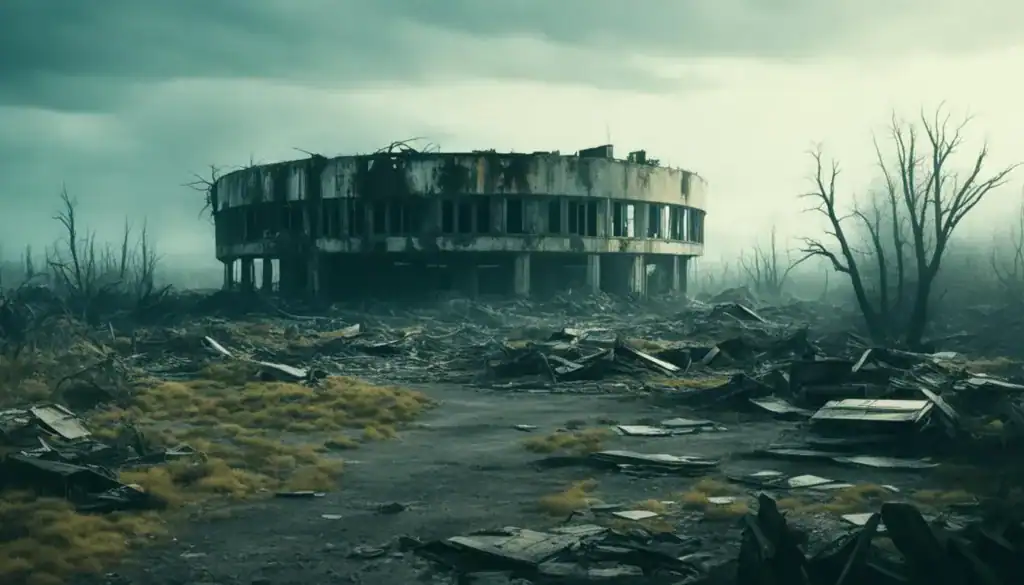
The Stand has influenced countless authors and filmmakers, shaping the way stories about the end of the world are told. Its sprawling narrative and richly developed characters have paved the way for future works in the genre, setting a high standard that many strive to achieve.
“‘The Stand’ is a powerhouse of a novel, an epic journey that explores the depths of humanity in the face of overwhelming adversity. It’s one of those rare books that leaves a lasting impact, inviting readers to ponder its themes long after they’ve turned the final page.” – Bestselling Author
Throughout the years, The Stand has maintained its relevance in today’s society, mirroring the fears and hopes of our world. Its exploration of survival, morality, and the struggle between good and evil continues to resonate with readers of all generations.
Furthermore, The Stand has also achieved success beyond the written page, with its adaptation into a gripping television series. This visual retelling of the story has brought King’s vivid imagination to life, introducing a new generation to the world he created.
Whether experienced through the pages of the novel or through the television adaptation, the impact and legacy of The Stand remain undeniable. It has secured its place as a timeless classic that stands as a testament to the power of storytelling and the enduring fascination with the end of the world.
The Stand: Book vs. Television Adaptation
In recent years, Stephen King’s epic novel, The Stand, has been adapted into a television miniseries, bringing his captivating story to life on the small screen. As fans of the book and newcomers alike eagerly tuned in, we couldn’t help but compare the strengths and weaknesses of the original novel and its television adaptation.
Stephen King’s The Stand is a masterpiece of storytelling, with its intricate plot and complex characters. The book allows readers to immerse themselves in the post-apocalyptic world and experience the story firsthand. King’s vivid descriptions and rich character development bring the narrative to life, capturing the essence of the struggle between good and evil.
The television adaptation of The Stand faced the challenge of condensing a sprawling novel into a limited series. While it successfully depicted key events and introduced viewers to memorable characters, some fans felt that certain aspects of the story were lost in translation. However, the visual medium allowed for stunning visuals and brought a new level of immersion for viewers.
One of the notable strengths of the book is the extensive character development. Through King’s masterful prose, readers gain a deeper understanding of the fears, hopes, and motivations of the characters. In contrast, the television adaptation had time constraints that limited the exploration of certain characters and their backstories. However, the talented cast brought the characters to life with compelling performances, adding depth and emotion to the story.
The Stand tackles complex themes such as good versus evil and the resilience of the human spirit. While the book delves deep into these themes, exploring the philosophical and psychological aspects, the television adaptation had to prioritize plot progression and visual storytelling. Nonetheless, both versions of The Stand successfully convey the overarching message and offer a thought-provoking experience for audiences.
When comparing the book and the television adaptation of The Stand, it’s important to remember that each medium presents the story in its unique way. The book allows readers to delve into the depths of King’s imagination, while the television adaptation offers a visually captivating experience. Both have their strengths and weaknesses, making it a matter of personal preference as to which version resonates more with audiences.
Conclusion
In conclusion, The Stand is a monumental work of fiction that combines elements of horror, fantasy, and social commentary. Stephen King’s gripping storytelling and unforgettable characters make this novel a must-read for fans of the post-apocalyptic genre.
Throughout the story, King explores themes such as the battle between good and evil, the power of faith and resilience, and the consequences of human hubris. These themes resonate with readers and offer thought-provoking insights into the human condition. The Stand‘s relevance to current events, particularly in light of recent global challenges, has solidified its place as a modern classic that continues to captivate audiences.
Whether you choose to experience The Stand through the original book or the television adaptation, you are in for an unforgettable journey. Both mediums effectively convey the intense atmosphere and depth of the story, immersing viewers and readers into the battle for survival and the ultimate struggle between good and evil.
Don’t miss out on the chance to be enthralled by this epic tale. Dive into The Stand to discover a world where humanity’s resilience, courage, and capacity for both good and evil are tested to the extremes. Experience the power of Stephen King’s storytelling and join the legions of fans who have been captivated by this timeless masterpiece.