
Welcome to our book review of The Time Traveler’s Wife by Audrey Niffenegger. In this heartfelt novel, Niffenegger takes us on a captivating journey through time and love. Published in 2003, this thought-provoking book has garnered both praise and criticism, leaving readers deeply moved and engaged.
Key Takeaways:
- The Time Traveler’s Wife is a captivating and controversial novel written by Audrey Niffenegger.
- The story explores themes of love, fate, and the passage of time, as it follows the complex relationship between Henry DeTamble and Clare Abshire.
- The novel utilizes metaphors and symbolism, with time travel representing the cycle of life and biblical references adding depth to the story.
- The book has received both praise and criticism, with some readers finding the non-linear narrative and ambiguous time travel concept challenging, while others appreciate its emotional impact.
- The ending of the novel is particularly heart-breaking, evoking strong emotions from readers.
A Controversial and Captivating Novel
“The Time Traveler’s Wife” is a controversial novel that has both captivated and polarized readers. The story delves into the complex relationship between Henry and Clare and explores themes of love, fate, and the passage of time. The novel’s unique concept of time travel adds an intriguing element to the story, but it has also sparked discussion and debate among readers.
The Metaphors and Symbolism in the Novel
One of the notable aspects of “The Time Traveler’s Wife” is its effective use of metaphors and symbolism. The concept of time travel serves as a metaphor for the cycle of life, highlighting the themes of birth, death, and what comes after. The characters, Henry and Clare, also embody archetypal roles, adding depth and complexity to their relationship. The novel’s intertwining of biblical and mythological references further enhances its symbolic nature.
“The Time Traveler’s Wife” beautifully utilizes metaphors and symbolism to explore the profound themes of life and time. The concept of time travel becomes a powerful metaphor for the cyclical nature of existence, as Henry and Clare navigate the ebb and flow of their relationship. The use of biblical and mythological references deepens the symbolic layers, making the novel an engaging exploration of the human experience.”
To illustrate the symbolism in the novel, the author makes use of biblical and mythological allusions. These references resonate with readers on a subconscious level, enhancing the themes of love, fate, and the passage of time. Additionally, the cyclical nature of time travel mirrors the cycle of life itself, representing the continuous journey from birth to death.
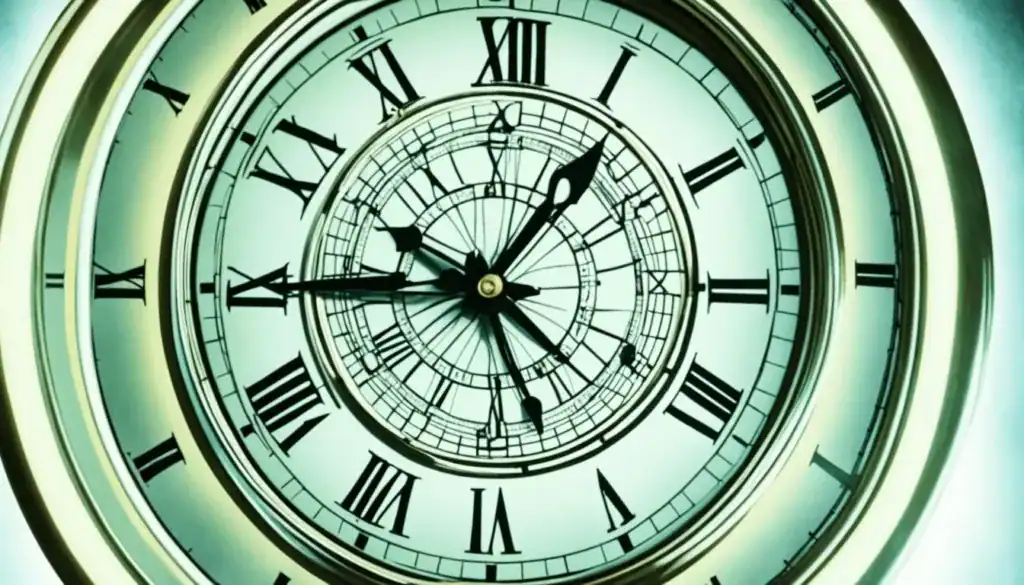
The captivating symbolism in “The Time Traveler’s Wife” adds layers of depth and meaning to the narrative. It invites readers to contemplate the complexities of human existence, the cyclical nature of time, and the profound connections between individuals. The effective use of metaphors and symbolism contributes to the novel’s enduring appeal, making it a memorable exploration of the human experience.
The Reception and Criticisms of the Book
“The Time Traveler’s Wife” has generated a diverse range of reactions since its release. While some readers have warmly embraced it as a beautifully written and emotionally impactful novel, others have expressed reservations about certain aspects of the book. The reception has been mixed, with both praise and criticism adding to the ongoing discussion surrounding this controversial novel.
One of the main points of contention lies in the non-linear narrative and the ambiguous nature of the time travel concept. Some readers have found it challenging to follow the intricate timeline, which jumps back and forth between different periods. This narrative structure, although intriguing for many, has also raised criticisms about the ease of understanding the story.
“The non-linear narrative took some time getting used to, but once I adjusted, I found it incredibly engaging.” – Reader A
“I felt lost at times trying to piece together the chronology of events. It detracted from my overall enjoyment of the book.” – Reader B
In addition to the narrative structure, critics have analyzed the power dynamics within Henry and Clare’s relationship. Some argue that Henry’s ability to time travel puts him in a position of control and raises questions about consent. These controversial aspects have fueled debates about the ethical implications of Henry’s actions and the portrayal of their relationship.
“The power dynamics in Henry and Clare’s relationship were unsettling and made me question the underlying dynamics of their love story.” – Critic A
“The relationship between Henry and Clare felt genuine and authentic, despite the unconventional circumstances. Their connection transcended time and added to the complexity of the novel.” – Critic B
While there are criticisms surrounding the book, it is worth noting that “The Time Traveler’s Wife” has also been praised for its emotional impact and thought-provoking themes. The novel’s ability to evoke strong emotions and prompt reflection speaks to its power as a piece of literature.
To visually showcase the discussion around the novel’s reception and criticisms, here’s an image of a book club meeting where readers share their thoughts and engage in lively conversations:

The Emotional Impact of the Ending
The ending of “The Time Traveler’s Wife” leaves a lasting emotional impact that has resonated with countless readers. It has been described as one of the most heart-breaking endings in literature, evoking intense feelings of sadness, empathy, and longing. As we reach the conclusion of Henry and Clare’s journey, we are confronted with a profound sense of loss and the fragility of human connection.
The author, Audrey Niffenegger, demonstrates her mastery of storytelling by crafting an ending that tugs at our heartstrings and leaves us contemplating the complexities of love and the passage of time. Through her vivid and evocative prose, she invites us to experience the heartbreak alongside the characters, forging a deep emotional connection that lingers long after the final page is turned.
The emotional impact of the ending is a testament to Niffenegger’s ability to create characters that feel real and relatable. We become invested in the lives of Henry and Clare, cheering for their happiness and fearing their inevitable separation. The heartbreak we experience is a testament to the depth of our emotional connection with these fictional individuals.
“The ending of ‘The Time Traveler’s Wife’ left me devastated. I couldn’t help but feel the pain and longing that Henry and Clare experienced. It made me appreciate the fleeting moments we have with our loved ones and reminded me to cherish every second.”
The power of the ending lies in its ability to make us reflect on our own relationships and the transient nature of life. It serves as a poignant reminder that love, despite its beauty, can be bittersweet. We are left pondering the sacrifices we make for those we love and the enduring impact they have on our lives.
In conclusion, the emotional impact of the ending in “The Time Traveler’s Wife” is profound and heart-wrenching. It serves as a testament to the author’s skill in capturing the complexities of love, time, and the human experience. The poignant conclusion of Henry and Clare’s journey lingers in our hearts, reminding us of the power of storytelling to touch our souls.
The Structure and Writing Style of the Novel
Audrey Niffenegger’s novel, “The Time Traveler’s Wife,” is renowned for its unique structure and compelling writing style. The alternating viewpoints contribute to the overall depth and richness of the story.
The novel is narrated from both Henry and Clare’s perspectives, offering readers valuable insights into their thoughts, emotions, and experiences. This alternating viewpoint technique allows us to fully immerse ourselves in their complex relationship and empathize with their joys, struggles, and enduring love.
“The Time Traveler’s Wife takes us on a mesmerizing journey through different times and perspectives. Niffenegger masterfully weaves together Henry and Clare’s stories, enabling us to witness their lives from multiple angles. It’s like peering into a kaleidoscope, where each shift in perspective reveals new and intriguing facets of their relationship.” – Bookish Buzz Magazine
Furthermore, Niffenegger’s writing style is often described as poetic and evocative. Her ability to craft vivid imagery through detailed descriptions creates an immersive reading experience for the audience. From Henry’s time-traveling escapades to Clare’s artistic endeavors, every scene is brought to life with exquisite detail.
However, it’s worth noting that some readers have found the narrative style repetitive at times, and certain passages overly descriptive. While these aspects can enrich the reading experience, they may also slow down the pace of the story for those seeking a more streamlined narrative.
The Themes Explored in the Book
“The Time Traveler’s Wife” delves into several universal themes that resonate with readers, including love, fate, and the nature of time. Through the intricate and heartfelt narrative, the novel examines the complexities of romantic relationships and how time can both shape and challenge these connections.
Love is a central theme that lingers throughout the story, exploring the different dimensions and forms it can take. The relationship between Henry and Clare is tested by the unpredictability of Henry’s time travel, forcing them to confront the fragility and resilience of their love.
“Love is the world’s infinite mutability; lies, hatred, murder even, are all knit up in it; it is the inevitable blossoming of its opposites, a magnificent rose smelling faintly of blood.”
The novel also prompts readers to reflect on the role of fate in our lives and the choices we make. As Henry navigates the intricacies of time travel, he grapples with the idea that some events are predestined while others can be altered. This exploration of fate raises thought-provoking questions about the human experience and the power we have to shape our destinies.
“What an unchallenging and misleading tabloid truth: ‘fate.’ In the end, it’s just a common tragedy.”
Additionally, “The Time Traveler’s Wife” raises profound questions about the malleability of time and the significance of each moment in shaping our lives. The non-linear narrative challenges conventional notions of time, blurring the boundaries between past, present, and future. It urges readers to contemplate the transient nature of time and recognize the value of every fleeting instant.
This evocative novel invites readers to embark on a journey that explores the depth and complexity of human experiences, touching on the themes of love, fate, and the ever-elusive nature of time.
Conclusion
In conclusion, “The Time Traveler’s Wife” is a thought-provoking and emotionally charged novel that captivates readers with its unique concept and compelling characters. Throughout the book, Audrey Niffenegger skillfully explores complex themes such as love, fate, and the passage of time, sparking discussions and debates among readers.
While some critics have raised concerns about the book’s structure and writing style, there is no denying the emotional impact it leaves on readers. The heartbreakingly poignant ending resonates deeply, leaving a lasting impression.
Overall, “The Time Traveler’s Wife” is a memorable read that challenges readers to contemplate the nature of love, the role of time, and the choices we make. Despite any criticisms, the novel’s ability to provoke thought and evoke intense emotions cements its place as a beloved and influential work of fiction.