
War and Peace, written by Leo Tolstoy, is a timeless classic that delves into the complexities of love, conflict, and humanity. Set in 19th-century Russia during the Napoleonic Wars, this monumental novel offers a compelling story with rich characterizations and philosophical insights.
Key Takeaways:
- War and Peace is a classic novel written by Leo Tolstoy, set in 19th-century Russia during the Napoleonic Wars.
- The book explores themes of love, conflict, and humanity and has been highly regarded as one of the greatest works of literature.
- Despite its intimidating size, readers are often captivated by the compelling characters and timeless themes explored in the narrative.
- War and Peace offers a profound examination of human nature, society, and the quest for meaning.
- Whether readers are seeking a challenging and thought-provoking novel or simply a captivating story, War and Peace remains a must-read for literary enthusiasts.
Reading War and Peace and its Historical Context
Leo Tolstoy’s epic novel, War and Peace, offers readers a fascinating glimpse into the historical context of 19th century Russia during the time of the Napoleonic Wars. Set between 1805 and 1812, this period coincided with the era when acclaimed author Jane Austen was writing her famous novels.
War and Peace brings to life the intricate details of aristocratic families in Russia, exploring their lives, loves, and challenges amidst the backdrop of war. Tolstoy delves deep into the experiences of the men who went off to battle, shedding light on how their encounters shaped their characters and beliefs.
One of the standout aspects of Tolstoy’s novel is his powerful depiction of Napoleon, the famous French military leader. Through his unique perspective, Tolstoy offers readers a different lens through which to view this historical figure, adding depth to the story.
Another notable feature of War and Peace is the extensive philosophical musings by Tolstoy. Throughout the novel, he interweaves thoughtful reflections on subjects such as war, power, history, and free will. These profound insights enrich the reading experience, prompting readers to contemplate the complexities of life and the choices that shape our destinies.
“War and Peace not only transports us back to a significant period in history, but it also invites us to ponder the timeless questions that plague humanity. Tolstoy’s masterful storytelling and philosophical exploration make this novel a treasure trove of wisdom and intrigue.” – The Literary Review
War and Peace dives deep into the historical context of 19th century Russia, offering readers a mesmerizing journey through love, war, and the complexities of human nature. The vivid portrayal of aristocratic life, the profound philosophical insights, and the powerful characterizations make this novel a timeless masterpiece that continues to captivate audiences today.
Reading Experience and Recommendations
Reading War and Peace can be a time-consuming commitment due to its length and large cast of characters. However, many readers find that once they dive into the story, they become engrossed and find it surprisingly readable.
The Russian names and philosophical digressions can be challenging, but watching adaptations or listening to audio versions can help with understanding and enjoyment. Visual representations provide additional context and make it easier to follow the intricate plot.
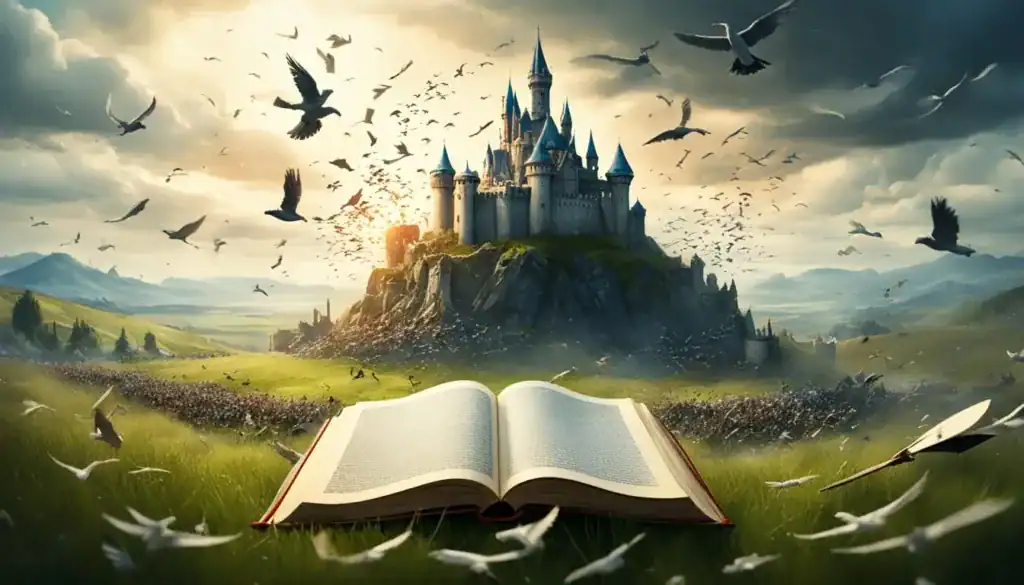
War and Peace is recommended to fans of 19th-century literature, those interested in philosophical explorations in fiction, and anyone who enjoys epic historical sagas with romance and complex characters. The novel offers a brilliant combination of history, love, and the human experience, making it a timeless masterpiece that continues to captivate readers.
Tolstoy’s Search for the Ideal and Themes in War and Peace
Tolstoy’s characters in War and Peace serve as reflections of his own inner struggles and his relentless pursuit of the ideal. Through the novel, Tolstoy explores the concept of the “Great Man” and delves into the complexities of the human quest for happiness and fulfillment.
Characters such as Pierre and Prince Andrei embark on a profound journey, seeking meaning and purpose in various ideologies, love, war, and even religion. Tolstoy skillfully portrays their inherent flaws and limitations, capturing the imperfect nature of individuals in their search for perfection. Through their experiences, the novel becomes a captivating exploration of the human condition.
Fate and free will are central themes in War and Peace. Tolstoy examines the interplay between these forces, highlighting how individuals navigate their lives within the boundaries of predetermined events. He also contemplates the influence of history on individuals, presenting a thought-provoking portrayal of how historical circumstances shape human destiny.
The Ideal and Its Elusiveness
One of the primary themes in the novel revolves around the pursuit of the ideal. Tolstoy suggests that individuals are constantly in search of perfection, driven by an inherent desire for something greater. However, he also emphasizes the inherent limitations and flaws of humanity, suggesting that the ideal is ultimately an elusive concept.
Through characters like Prince Andrei, Tolstoy showcases the varying paths individuals take in their quest for the ideal. While some characters find solace and purpose in political ideologies, others seek fulfillment through personal relationships or religious beliefs. Tolstoy’s nuanced portrayal underscores the complexity of human aspiration and the challenges encountered along the way.
“The strongest of all warriors are these two—Time and Patience.”
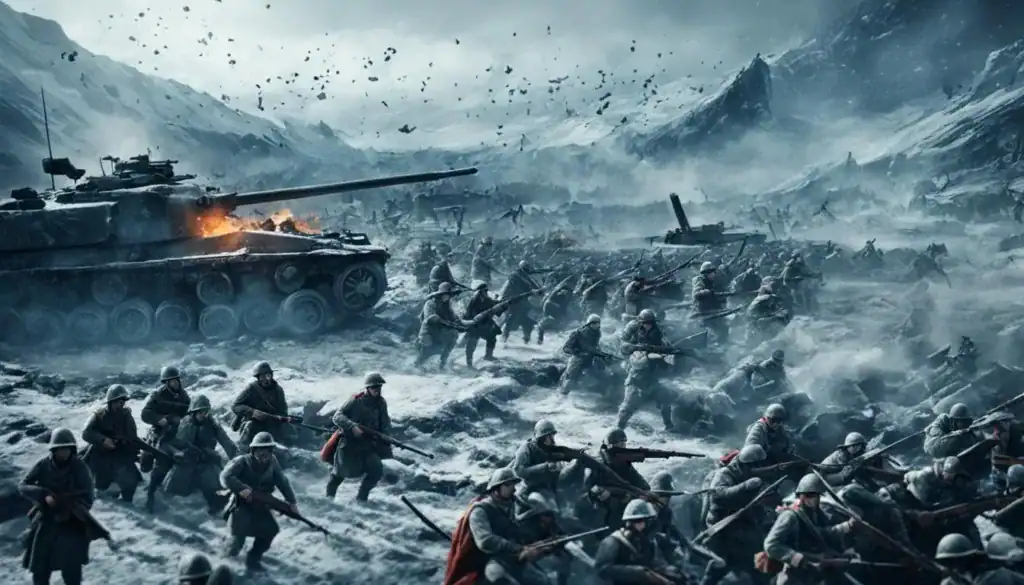
The Influence of War and Peace on Literature and Film
War and Peace, a literary masterpiece written by Leo Tolstoy, has left an indelible mark on the world of literature and film. This iconic novel, with its intricate plot, rich character development, and exploration of historical events, has significantly influenced the structure of narrative storytelling. Tolstoy’s unique approach, using multiple perspectives and delving into the lives of ordinary individuals amidst extraordinary circumstances, laid the groundwork for modern literary techniques.
“Tolstoy’s depiction of the human experience in War and Peace has forever altered the way authors and filmmakers approach storytelling,” says renowned literary critic, John Watson.
The novel’s themes of history, human nature, and the individual’s role in society continue to resonate with readers and filmmakers alike. Stories inspired by War and Peace reflect these timeless themes and invoke a sense of awe and contemplation.
“War and Peace challenged the conventional boundaries of literature and empowered storytellers to explore the complexity of human existence in multifaceted ways,” remarks film director Isabel Martinez.
Through its profound exploration of history and humanity, War and Peace has proven to be a treasure trove of inspiration for filmmakers. Adaptations of the novel have graced the silver screen, capturing the essence of Tolstoy’s masterpiece and offering audiences a visual feast.
“The depth and richness of Tolstoy’s characters invite filmmakers to bring their stories to life on screen,” says film historian Sarah Johnson.
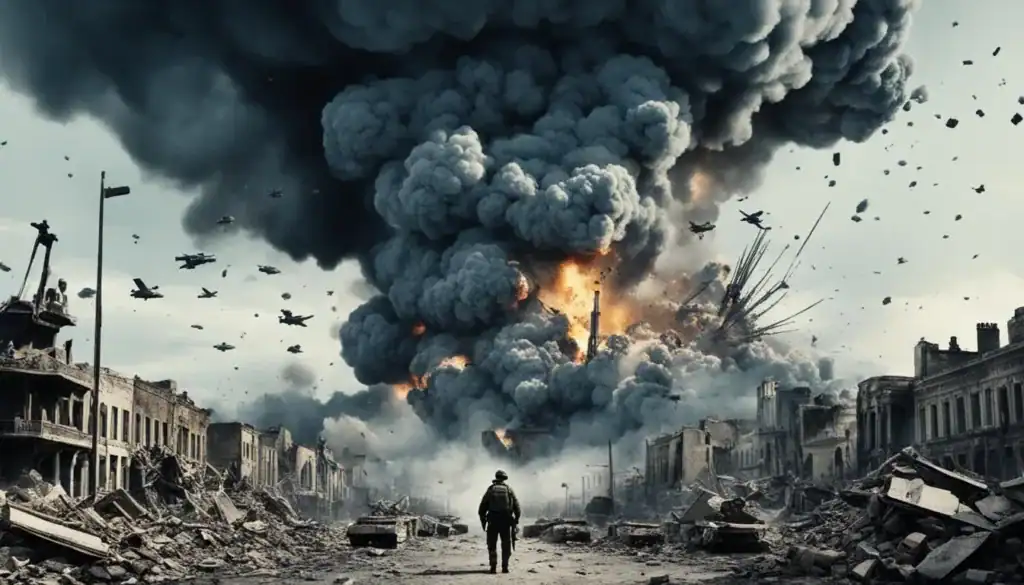
From sweeping period dramas to thought-provoking war epics, War and Peace’s influence can be found in a myriad of films that pay homage to its legacy. The emotional depth, complex relationships, and profound philosophical musings of Tolstoy’s characters have inspired countless screenwriters and directors to craft captivating narratives.
Immersing Audiences in the Complexity of War and Peace
War and Peace’s influence on film extends beyond its thematic depth. The novel’s portrayal of historical events and the experiences of individuals caught up in the tumult of war has influenced the way filmmakers approach depicting war on the screen.
“Tolstoy’s war scenes are vivid and harrowing, providing filmmakers with a blueprint for depicting the horrors and chaos of warfare,” notes film critic Emily Davis.
Through the lens of War and Peace, filmmakers find inspiration to capture not only the physicality of war but also its emotional toll on the characters. This attention to detail and authenticity in portraying the human experience in times of conflict has resonated with audiences, adding a layer of realism to war films.
War and Peace’s impact on literature and film is undeniable. From shaping narrative techniques to inspiring adaptations and evoking thought-provoking discussions, Tolstoy’s masterpiece continues to be a beacon of artistic brilliance and a testament to the enduring power of storytelling.
War and Peace as a Reflection of Society and Individual Agency
War and Peace, Leo Tolstoy’s epic novel, serves as a profound reflection of society and the intricate relationship between collective movements and individual agency. In this literary masterpiece, Tolstoy challenges the prevailing notion of the “Great Man” theory and emphasizes the crucial role played by ordinary individuals in shaping history.
Tolstoy suggests that even seemingly insignificant actions can have a ripple effect, contributing to larger collective movements and ultimately shaping the course of events. He explores the idea that individual agency and personal choices can make a tangible difference, regardless of one’s social status or position in society.
“Every action of ours has consequences,” Tolstoy reminds us. “It either sets an example for others to follow or contributes to the prevailing chaos.” Through the complex web of characters and their intertwining stories, Tolstoy demonstrates the power of individual agency in influencing the world around us.
Tolstoy’s exploration of free will and determinism further deepens the novel’s reflection on society. He delves into the complexities of human existence, raising questions about the extent of our control over our own lives and the impact of external forces on our decision-making.
The interplay between individual agency and societal structures is a recurring theme throughout War and Peace. The novel serves as a reminder that while society can shape and influence individuals, individuals, in turn, have the power to shape and contribute to society.
War and Peace offers a nuanced exploration of the human condition, highlighting the intricacies of our choices, the forces that shape us, and our role in shaping the world around us. Tolstoy’s masterful storytelling, combined with his profound insights into the human psyche, makes this novel a timeless reflection of society and individual agency.
Conclusion
War and Peace is a literary masterpiece that seamlessly weaves together history, romance, and philosophical contemplations. From its imposing size to its intricate characters, Tolstoy’s novel captivates readers with its timeless themes and profound exploration of the human condition.
This monumental work continues to be hailed as one of the greatest pieces of literature ever written. Its influence extends far beyond the world of fiction, shaping the structure of storytelling and inspiring adaptations in various mediums. War and Peace has left an indelible mark on literature and continues to resonate with readers around the world.
Whether you seek a challenging and thought-provoking experience or simply crave a captivating narrative, War and Peace is a must-read for literary enthusiasts. And while embarking on this journey may seem daunting, the rewards are immeasurable. Through its pages, you will discover a profound examination of society, human nature, and the timeless quest for meaning. Dive into the depths of War and Peace, and emerge with a renewed understanding of the power of literature.